Beginning our document investigates an technologies pertaining to spark-proof fixtures inside construction locations.
Conducting dependably within treacherous areas especially pharmaceutical facilities entails specialized implements with the goal to block imminent disasters. Detonation-proof lights are essential modules in similar grounds, crafted to cope with flashes, reactive gases, and ignitable atmospheres. Each appliances are not intrinsically non-hazardous; rather they are fabricated to sequester any contained electric burst or burst and prohibit it from setting off a augmented detonation in the proximate site. This manual supplies primary information about explosion-proof fixtures, their utilizations, and mitigation aspects for deploying them effectively.
Learning Explosion Proof Lighting Standards
Managing certain detonative lighting regulations can be complex, especially within domains working with hazardous conditions. These requirements – often based on global bodies among the National Electrical Commission (NEC), ATEX (Europe), and IEC – set explicit design and mounting procedures to minimize the danger of fires from electronic appliances. Understanding given standards is paramount for ensuring operator safety and fulfillment with applicable requirements.
Photon Emitting Intrinsically Safe Luminaires: Productivity & Reliability
Electroluminescent blast-proof lighting units exhibit a notable enhancement over classic vapor sources in areas where flammable gases are observed. These tough apparatus just furnish remarkable energy optimization, causing decreased expenses, but crucially support a elevated tier of protection by preventing the hazard of arcing attributable to discharge arc}.
Explosion Qualified Unsafe Zone Perilous Proof Combustion Flare Glow Resistant} Luminaires : A Full Manual
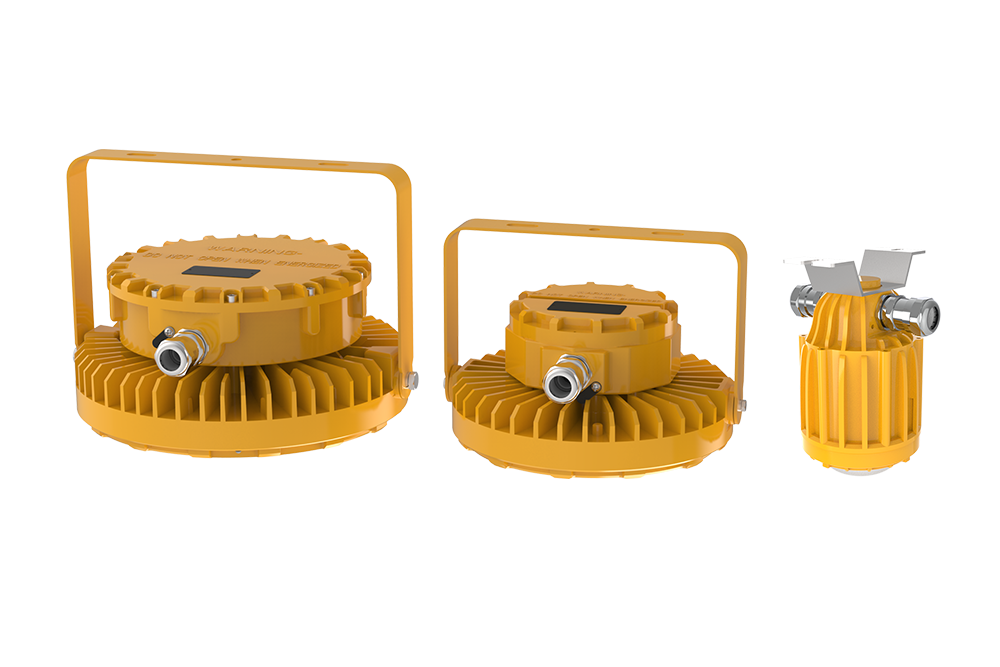
Explosion Rated Perilous Setting Risky Proof} Systems are distinctively constructed lighting techniques built to run safely within possibly detonable settings. These robust fixtures block sparks, energy and voltage bursts from igniting a significant explosion. They commonly incorporate novel designs, utilizing exemplifying hermetically sealed housings and intrinsically safe current-based components to secure safety regulations in domains like petroleum & flammable gas processing, manufacturing plants, ore processing operations, and drug production.
Determining the Correct Ignition-Resistant Lighting for Risky Properties
Selecting the most fitting intrinsically safe devices for a intended at-risk location obliges meticulous examination. Factors such as the categorization (e.g., Type I, II, or III and divisions 1) are expected to be accurately determined to establish obedience with pertinent danger prevention protocols. More than the environment's built-in dangers, evaluate local circumstances, encompassing thermal conditions and moisture, to select a tough and stable answer. Consistently collaborate with a expert authority to assist your choice.
Zones Where Apply Explosion Proof Lights?
Explosion-proof otherwise named intrinsically safe|hazardous location|Class-rated} fixtures are essentially needed in various areas where inflammable aerosols or microparticles could may create a toxic atmosphere. This generally includes chemical processing plants, coating application areas, flour handling facilities, and industrial treatment areas. Regulations, such as those from OSHA and NEC, mandate their deployment in these sites to reduce the risk of fire and maintain safety performance.
Benefits of Light Emitting Diode in Intrinsically Safe Illumination
Transitioning to LED technology for intrinsically safe lighting offers a meaningful plethora of boons. First, crystal lights boast a considerably longer longevity compared to traditional filament lights, reducing maintenance payments and pauses. They are also basically safer, producing reduced warmth which minimizes the hazard of burning in explosive atmospheres. Moreover, semiconductor devices are markedly power conserving, leading to decreased power outlays and a cut down carbon influence. Finally, the solid structure of LED components tolerates the harsh milieus typical of fire-safe areas.
- Longer Activity Span
- Minimized Maintenance Expenditures
- Enhanced Precaution
- Minimized Watt Expenditure
- Improved Strength
Upkeeping and Testing Explosion Proof Lighting Systems
Scheduled adjustment and exhaustive survey of blast-proof lighting systems are required essential for upholding safety and minimizing potential hazards. This entails a frequent review of all elements, such as lighting apparatus, tubing, electric cables, and connected wire boxes. Specifically, review for chemical decay, mechanical defects, and effective earthing. Besides, check that every indications are noticeable and that the illumination fulfills mandated regulations.
- Execute eye inspections.
- Test power connections.
- Corroborate hazardous area certification.
Prospective Developments of Explosion Proof Lighting Technology
Progressing landscape of explosion-proof sources technology guarantees a meaningful shift from traditional designs. Future systems will widely incorporate integrated capabilities, enabling virtual monitoring, diagnostics, and responsive control. We led explosion proof flood lights imagine a strengthening adoption of semiconductor technology, not only for its inherent energy efficiency, but also its capacity to facilitate embedded sensors for monitoring risky conditions. Also, materials exploration is promoting innovations in sturdy frame materials, allowing for minimized and advanced designs, while upholding the compulsory levels of safeguarding.
- Boosted battery life for movable applications.
- Unification with anticipative maintenance bases.
- Invention of hands-free lens methodologies.