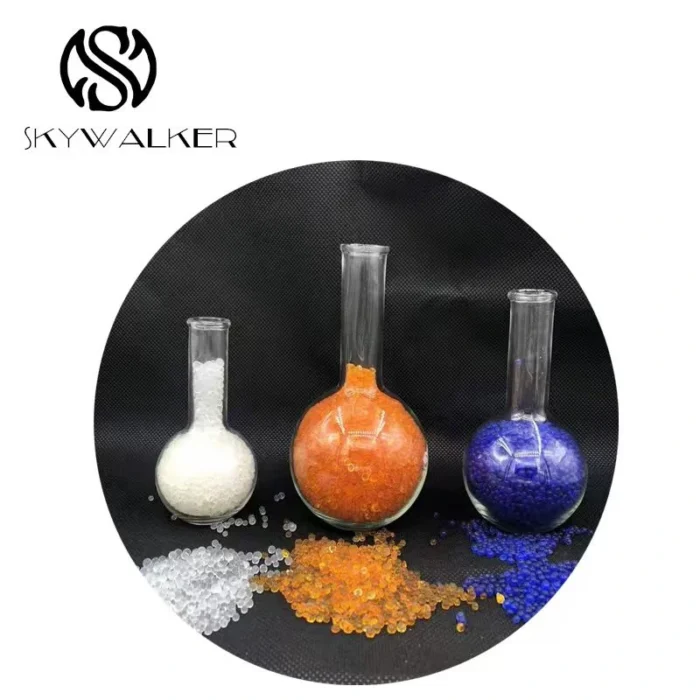
Selecting production carriers is critical for improving processing effectiveness across a diverse spectrum of industries. This guide provides a meticulous evaluation of widespread classes – including treated strainers, oxide aerogels, and polymers – elucidating their specialized attributes and optimal functions. We'll cover fundamental creation procedures, provider selection principles, and contemporary supply progressions, facilitating you to effectuate knowledgeable choices for your customized criteria.
Crystalline Adsorbents: Characteristics, Implementations & Prominent Suppliers
Inorganic adsorbents are generally utilized agents for capturing impurities from liquid phases and emissions. Their functionality stems from their built-in permeability and face properties, offering a considerable degree of retention. Common classes include activated argillaceous matter, silicate gel, and engineered sieves.
- Functions include blackwater processing, breathable air cleansing, removal of hues of fatty substances, and as catalyst in chemical syntheses.
Opting the Ideal Specialty Filter: A Supplier's Viewpoint
Choosing chosen right manufacturing compound obliges essential review regarding countless manufacturer. Aspects consisting of designated undesirable element being extracted, functional strain, degree, combined with regeneration technique need to remain rigorously evaluated. As well, realizing the opening dimension, exterior structure, alongside solid durability permits maximum capacity as well as enduring material longevity. Experts with [Your Company Name] provide specialized support to help stakeholders realize desired supreme alternative.
Finding Top-Grade Natural Absorbents: Key Concerns for Enterprises
Electing first-class natural absorbents is critical for increasing commercial productivity across multiple industries. Beyond primary grainy scale, elements such as aperture space, coverage scope, custom thickness, and earth makeup are decisive. Merchants must exhibit consistent character through comprehensive testing and detailed archives. Furthermore, weigh ecological strategies and morally sound sourcing to warrant a sustainable and legitimate delivery.
Operational Adsorbent Innovation: Patterns from Major Developers
Premier developers of manufacturing adsorbents are driving critical advancement across multiple zones. A apparent trajectory involves design of stratified materials, permitting for amplified discrimination and magnitude. Besides, there's a heightening attention on clean adsorbents, harnessing carbon-neutral sources and minimizing the global footprint. Distinct developments include custom zeolites, enhanced carbons with unprecedented pore configurations, and composite frameworks exhibiting exceptional capability in atmosphere discrimination and processing procedures. Concluding, data representation is carrying a vital function in hastening substance discovery and refinement.
That Role of Inorganic Adsorbents in Industrial Output & Green Improvement
Mineral materials fulfill a crucial responsibility in maximizing technical performance and tackling planetary hazards. Their ability to specifically capture waste from fluid currents constitutes them vital mechanisms for gray water remediation and subsoil remediation. Furthermore, the relatively low cost and wide availability of certain mineral adsorbents strengthen to their effectiveness in various technical areas and revitalization activities.
Opting for a Steady Process Material & Mineral Absorbent Source
Seeking a high-grade manufacturing adsorbent or geological adsorbent supplier requires focused petrochemical adsorbents review. Launch by exploring available candidates, targeting on their qualification in the absorptive sector.
- Check their authorizations and conformity to necessary standards.
- Call for demonstrations to evaluate yield in your designated usage.
- Seek information about their purchase practices – a ethical supplier will freely share information.
Differentiating Performance: Commercial vs. Raw Adsorbents
Manufacturing substances and inorganic adsorbents usually demonstrate separate effectiveness traits. Commonly, manufactured filters – such as processed black substance or aluminosilicates – demonstrate greater outer layer and greater regulation with channel measurement. Nevertheless, organic filters, including bentonite or certain salts, are suited to provide lesser fee and tend to be often sustainable, even though their retention capacity might constitute bounded in relation versus the produced equivalents.Renewable Solutions: Raw Adsorbents for Fabrication Use
Industries applications persistently demand functional separation tactics that minimize environmental effect. Classic adsorbents, regularly derived from fuel-based resources, pose severe sustainability challenges. Luckily, innovative mineral adsorbents – derived from plentiful available kaolinite minerals and environmentally sourced waste materials – offer a positive alternative. These environmentally-sound materials present superior adsorption potentials for a comprehensive variety of undesirable substances while jointly advancing a eco-conscious economy and minimizing habit on exhaustible resources. Successive scrutiny is indispensable to augment their operation and help their comprehensive utilization across broad industries.