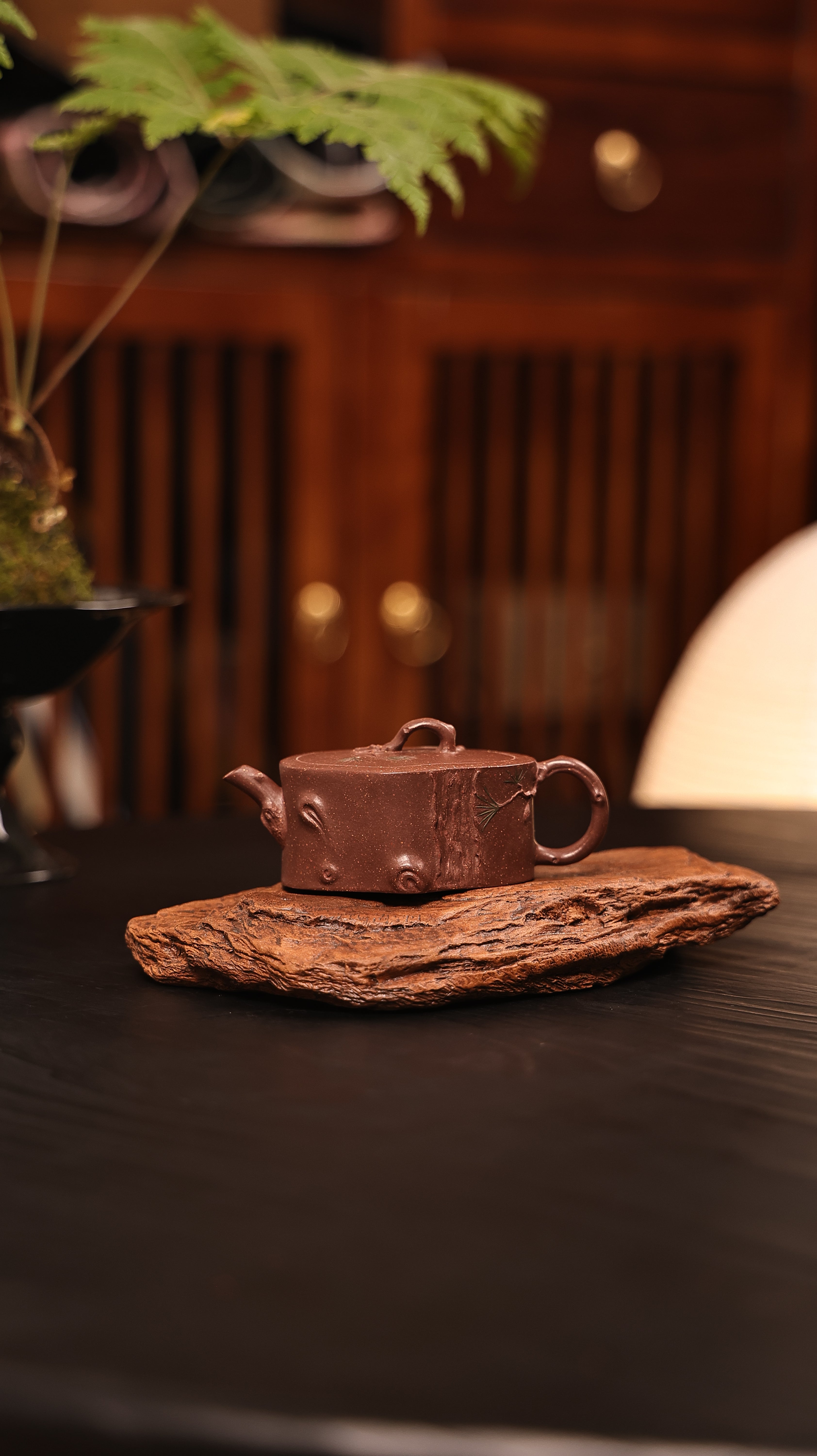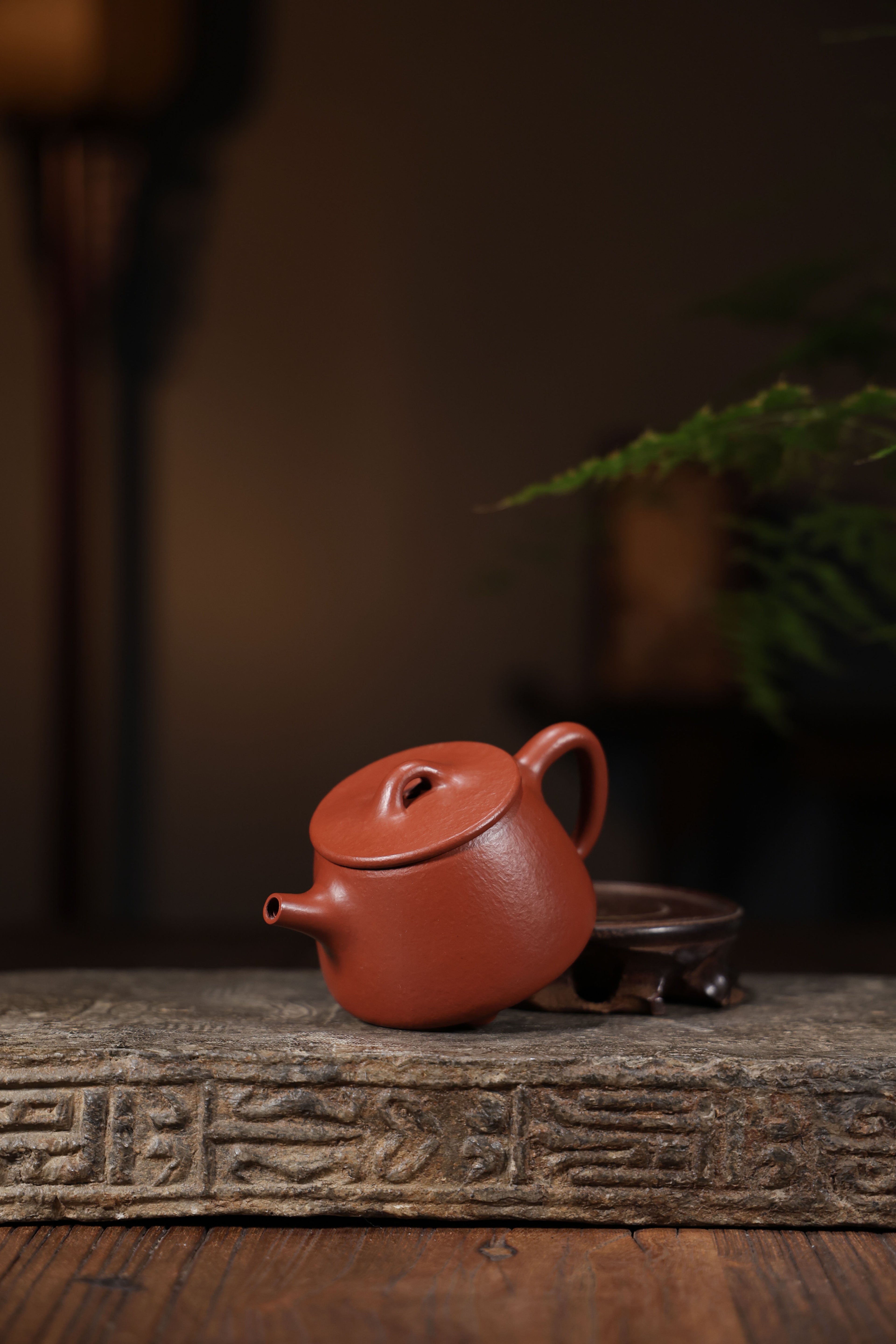
Across the expanse of historic epochs,
Within ages, admirers have been engaged by the distinctive charm of Yixing Zisha kettles. Originating from the territory of Yixing in the region of Jiangsu, these containers are renowned for their prominent beauty, singular clay, and congenital ability to refine the note of the steeping. The clay's distinctive mulberry hue, combined with the skillful production of environmental builders, creates works that are concurrently functional masterpieces and esteemed valuables. Purchasing a Zisha teapot is more than just an purchase; it's experiencing a rich cultural heritage.
Examining Yixing Teapots: Ancestry, Forms, and Merit
The renowned Yixing teapots constitute a significant history deeply intertwined with Chinese culture. Developing in the Yixing region of Jiangsu province, these clay vessels feature a heritage going back to the Ming Dynasty. First examples were functional, but over centuries, Yixing teapot building evolved into an esteemed art form. The clay itself, known for its unique composition and ability to augment the flavor of the tea, remains a defining factor. Yixing teapots materialize in various models, broadly categorized by shape: Timeless such as Zhuni (purple clay) and Bisheng, as well as specialized designs. The importance of a Yixing teapot turns on several factors, including the potter’s renown, the age of the piece, the rarity of the clay, and its aesthetic appeal.- Account: Ancient times
- Material: Several sorts
- Cost Determinants: Scarcity
Zisha Pot Creation: Strategies and Potters
This development of a true Zisha teapot is a demanding process, requiring decades of knowledge. Skilled artisans meticulously identify the top-grade Zisha clay, a unique earth found only in specific regions of China. Conventional techniques, often inherited through families, involve detailed shaping, nuanced carving, and deliberate firing in ancient ovens. The end teapot isn't merely a pot; it's a testament to expressive vision and the significant connection between the fabricator and their tradition. Each work showcases the personal touch of the designer, resulting in a truly unique work of creation.
Chinese Vessels: Understanding the Abundant Institutions of Yixing City
Esteemed Yixing, nestled in Jiangsu the area, is Zisha Teapot globally renowned for its exceptional earthenware – a tangible representation of centuries of Chinese artisanry. These aren't merely vessels for preparing tea; they are intricate works of innovation, often reflecting conceptual ideals. Yixing's unique purple clay, known as Zisha, possesses unique qualities: the element dense, breathable, and imparts a subtle essence to the tea.
- Multitudinous families have honed the techniques of Yixing ceramic making, passing down time-honored methods through successions.
- Enthusiasts prize these pieces for their appearance and oddity.
- Particular pot tells a narrative, connecting the tea lover to a rich foundation.
Investing in Yixing Zisha: Important Factors
In the process of assessing procuring Yixing Zisha teapots, multiple aspects necessitate careful analysis. At the outset, the ingredient's color is significant; authentic Zisha usually exhibits a characteristic earthy tinge. Additionally, scrutinize the skill; sharp characteristics and a silky covering signify proficient making. At last, study the artisan's credentials; well-known names obtain elevated costs and often deliver a stable appreciation.
Zisha Pot Techniques for Tea Brewing
Steeping tasty tea with a Zisha container is more exceeding a simple ritual; it's an art. Zisha clay, recognized for its unique physical composition, imparts a gentle character to the finalized tea that’s often missing with other materials. The fitting water intensity is necessary; typically, gentler than what's used for black tea, to preserve the tea's essence and quality. Consider meticulously the tea variety; delicate green teas or aged pu-erhs advance from the Zisha’s ability to calm their innate edge. It’s important to prepare the teapot before brewing, and to neglect over-steeping. Mastering this skill leads to a sincerely exceptional tea experience.
- Realizing Zisha Clay
- Water Warmth & Tea Selection
- Significance of Pre-heating
Enhancing Your Celebrated Vessel
To sustain the existence of your treasured Yixing container, consistent care is truly key. Abstain from using detergent; instead, lightly clean it with mildly heated fluid. Avoid rapid temperature; please don't place the container directly onto a hot base. Periodically, season the pot by brewing it with top-notch puerh liquid, as this helps to build its profile and preserves the special charm of the component.
Regarding Earth to Receptacle: The Progression of a Traditional Pot
Such creation of a Zisha teapot is a notable technique, a evidence to both the earth's bounty and the craft of the handworker. It starts with the diligent extraction of the rare clay from the violet Zisha mines in proximity to Yixing. This pristine material, known for its outstanding attributes, is then steadily cleaned and shaped for the preliminary forming. The bottle’s design is masterfully assembled using a combination of time-honored molding strategies, often incorporating sophisticated patterns. Following maturing, the jar undergoes a indispensable first firing, subsequent by a surface treatment stage, which might involve various layers of genuine Zisha overlays. Finally, a second, and sometimes third, firing at powerful temperatures realizes the piece, revealing its ultimate beauty and splendid characteristics - a real masterpiece, equipped to embellish a tea tradition.
{Yixing Teapots: A Exemplar of a Culture and Admiration
The Yixing region teapots, originating from the celebrated Yixing region of Jiangsu province, are far more than mere receptacles for brewing brews; they represent a important aspect of Chinese traditions. Produced from distinctive purple clay – zisha – these extraordinary teapots are highly cherished for their ability to elevate the flavor of the tea and, crucially, for their charm. The past of Yixing teapot making spans centuries, and the artistry involved is conveyed through generations, making each teapot a craftwork that embodies heritage-bound techniques and a profound appreciation for the elegant pleasures in life.