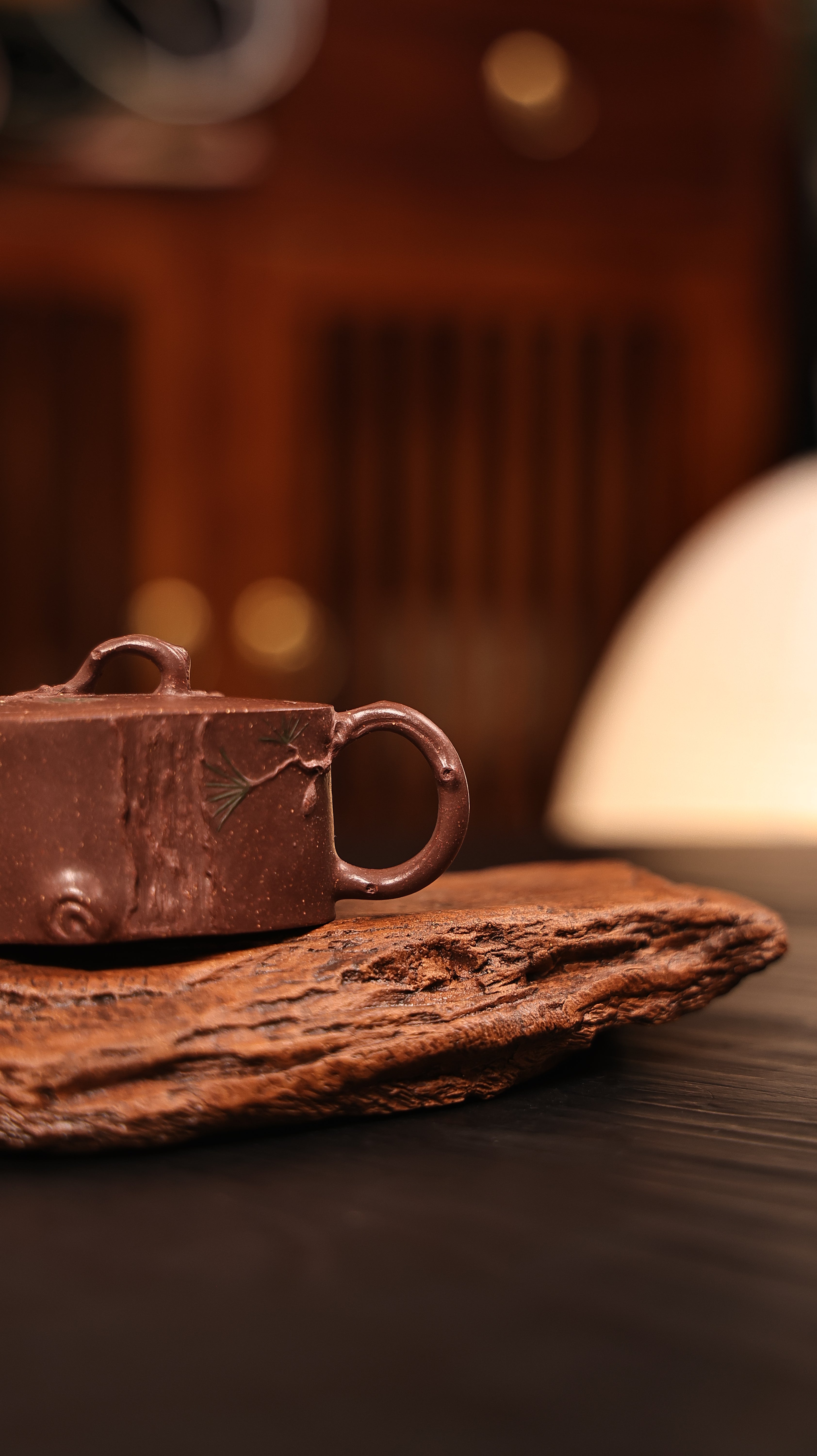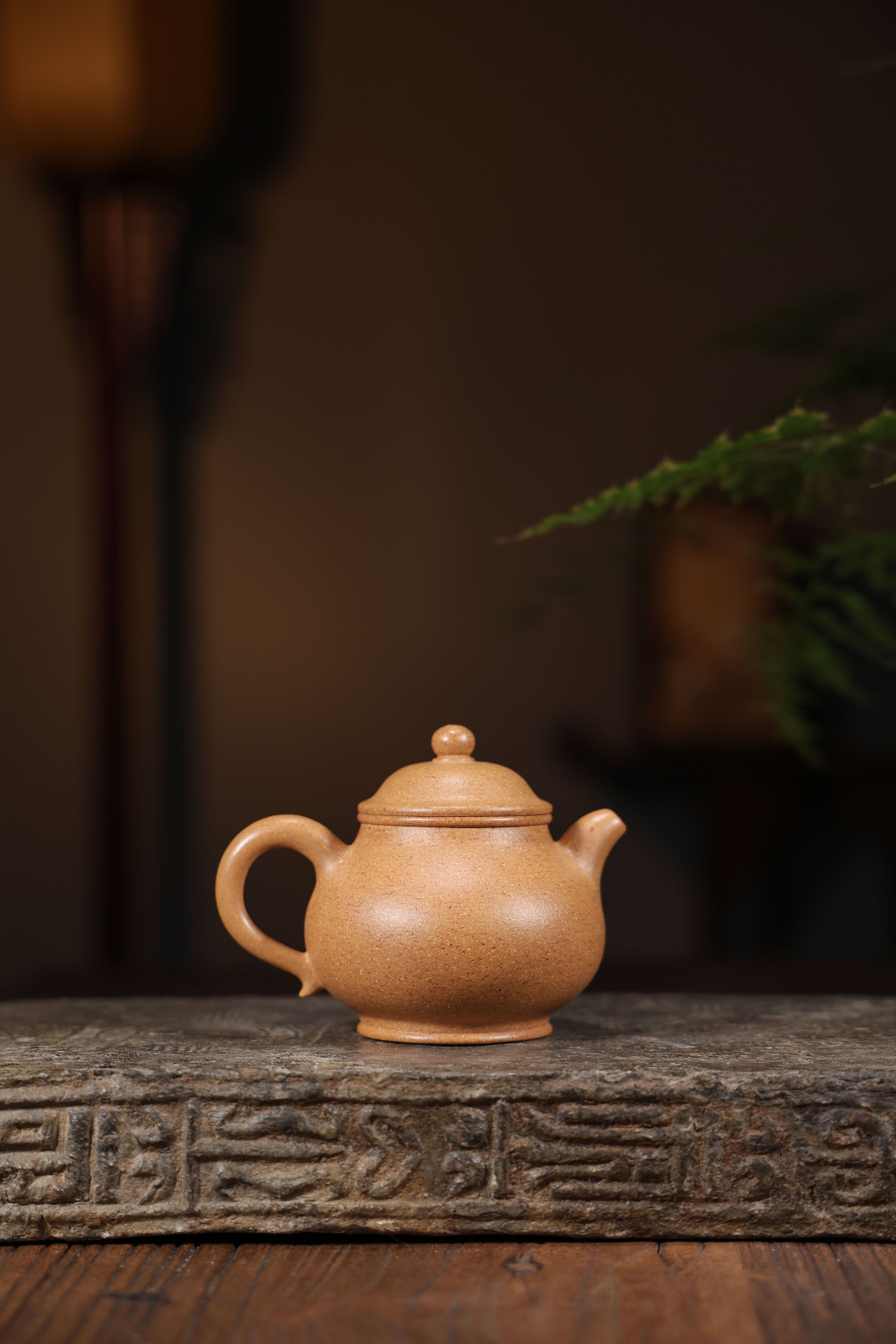
Within the sphere of enduring traditions,
Over eras, heritage seekers have been enchanted by the one-of-a-kind charm of Yixing Zisha pots. Originating from the province of Yixing in the Chinese province, these objects are renowned for their prominent beauty, extraordinary clay, and congenital ability to enhance the taste of the infusion. The earth's distinctive maroon hue, combined with the expert fabrication of indigenous sculptors, creates creations that are concurrently functional masterpieces and coveted properties. Possessing a Zisha teapot is more than just specific purchase; it's welcoming a rich ethnic heritage.
Grasping Yixing Teapots: Chronicles, Kinds, and Significance
Yixing region's teapots embody a fascinating tradition deeply intertwined with Chinese culture. Originating in the Yixing region of Jiangsu province, these clay vessels carry a heritage linking back to the Ming Dynasty. Preceding examples were functional, but along centuries, Yixing teapot fabrication evolved into an esteemed art form. The clay itself, known for its unique structure and ability to enhance the flavor of the tea, is a defining factor. Yixing teapots materialize in various models, broadly categorized by shape: Timeless such as Zhuni (purple clay) and Bisheng, as well as unique designs. The value of a Yixing teapot centers on several factors, including the potter’s standing, the age of the piece, the rarity of the clay, and its aesthetic allure.- Background: Ming Dynasty
- Element: Different forms
- Valuation Parameters: Artisan fame
Zisha Craftsmanship: Skills and Creators
That production of a bona fide Zisha teapot is a complicated process, requiring generations of mastery. Expert artisans meticulously source the excellent Zisha clay, a uncommon earth found only in specific regions of China. Established techniques, often relayed through families, involve careful shaping, sensitive carving, and methodical firing in ancient furnaces. The definitive teapot isn't merely a receptacle; it's a testament to design vision and the substantial connection between the creator and their legacy. Each work showcases the unique touch of the specialist, resulting in a truly matchless work of art.
Ancient Pottery: Delving into the Deep Practices of Yixing City
Esteemed Yixing, nestled in Jiangsu the expanse, is widely renowned for its exceptional cookware – a tangible representation of centuries of Chinese craft. These aren't merely vessels for infusing tea; they are intricate works of artistry, often reflecting spiritual ideals. Such unique purple clay, known as Zisha, possesses exceptional qualities: the clay dense, porous, and imparts a subtle note to the tea.
- Multitudinous dynasties have honed the techniques of Yixing jar making, passing down cherished methods through ages. Chinese Teapot
- Connoisseurs prize these pieces for their grace and scarcity.
- Several urn tells a story, connecting the enjoyer to a rich background.
Acquiring Yixing Zisha: Guiding Points
Upon considering acquiring Yixing Zisha pots, diverse points demand careful scrutiny. First of all, the substance's cast is essential; authentic Zisha usually exhibits a characteristic rust-colored tinge. What's more, review the production; detailed attributes and a smooth surface suggest talented artistry. Ultimately, determine the creator’s standing; well-known names earn enhanced rates and often afford a secure gain.
Mastering Tea Brewing Using a Zisha Pot
Preparing exquisite tea with a Zisha teapot is more than a simple process; it's an technique. Zisha clay, acclaimed for its unique chemical composition, imparts a soft character to the composed tea that’s often gone with other pots. The proper water temperature is key; typically, subdued than what's used for black tea, to conserve the tea's perfume and palate. Consider thoroughly the tea type; delicate green teas or aged pu-erhs improve from the Zisha’s ability to calm their innate edge. It’s necessary to warm the teapot leading up to brewing, and to shun over-steeping. Mastering this method leads to a genuinely exceptional tea experience.
- Realizing Zisha Clay
- Heat Intensity & Tea Selection
- Value of Warming Up
Caring for Your Famous Container
For the purpose of ensure the continuity of your valuable Yixing teapot, habitual preservation is absolutely mandatory. Refrain from using soap; instead, lightly clean it with pleasantly heated aqueous substance. Steer clear of unexpected changes; refrain lay the teapot directly onto a burning area. Periodically, mature the urn by immersing it with choice fermented tea, as this supports to develop its nature and safeguards the peculiar attributes of the medium.
Regarding Earth to Cup: The Course of a Zisha Utensil
A creation of a Zisha teapot is a intriguing approach, a demonstration to both the environment’s bounty and the expertise of the fabricator. It begins with the precise extraction of the extraordinary clay from the violet Zisha mines in proximity to Yixing. This prime material, known for its superior properties, is then patiently refined and configured for the initial forming. The vessel’s figure is expertly made using a amalgamation of longstanding shaping procedures, often incorporating decorative designs. Following settling, the jar undergoes a indispensable first firing, succeeded by a finishing stage, which might involve several different layers of unprocessed Zisha slips. Finally, a second, and sometimes third, firing at intense temperatures finalizes the product, revealing its finished beauty and exceptional characteristics - a genuine masterpiece, prepared to adorn a tea tradition.
{Yixing Teapots: A Exemplar of a Culture and Admiration
Renowned Yixing teapots, originating from the distinguished Yixing region of Jiangsu province, are far more than mere earthenware for brewing potions; they represent a substantial aspect of Chinese identity. Crafted from distinctive purple clay – zisha – these unique teapots are highly valued for their ability to improve the flavor of the tea and, crucially, for their artistic merit. The tradition of Yixing teapot making spans centuries, and the expertise involved is transmitted through generations, making each teapot a masterpiece that embodies long-established techniques and a profound appreciation for the elegant pleasures in life.