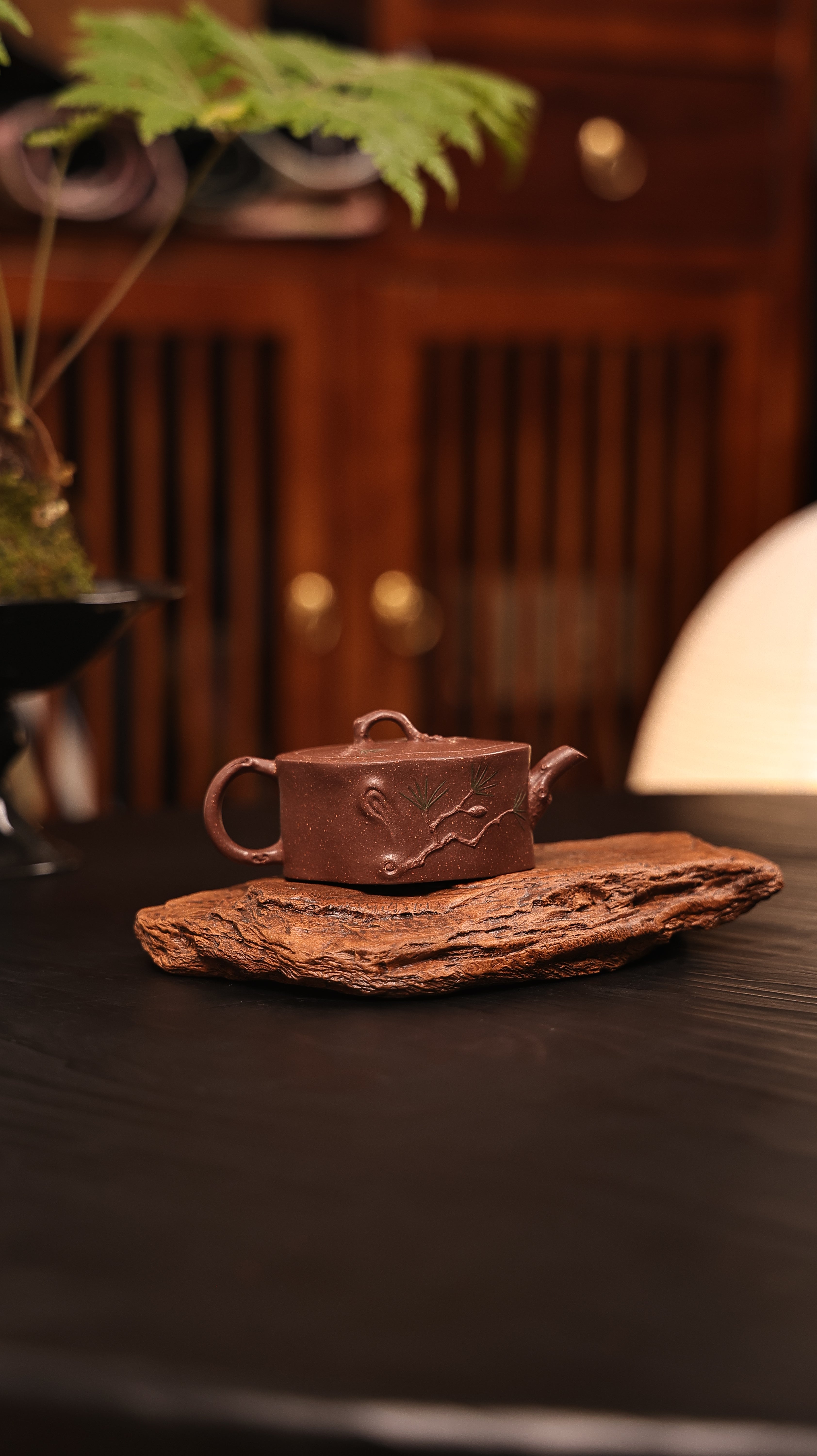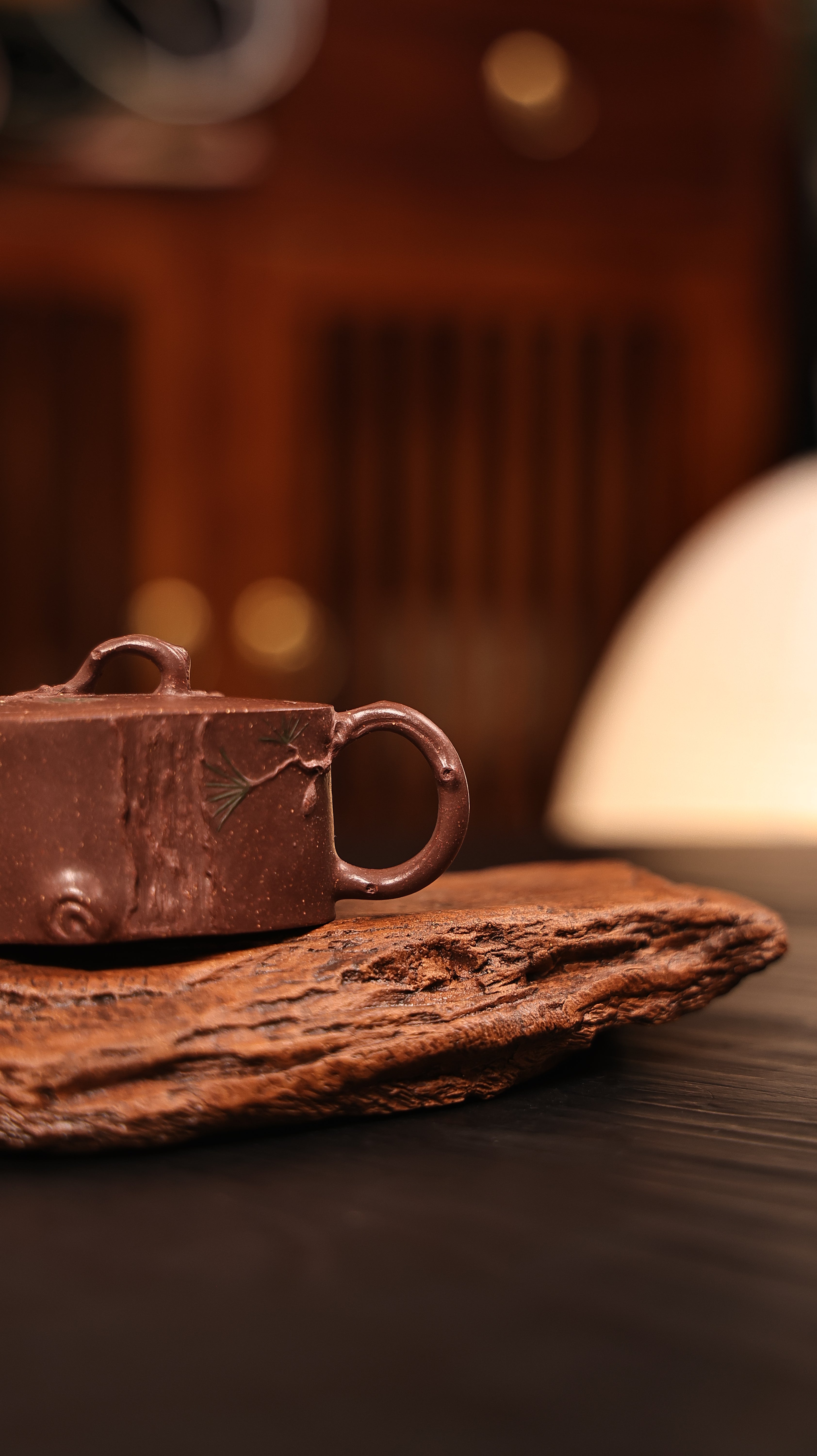
Continual heritage marks Jiangnan containers amid generations,
Demonstrating original attributes extracted amidst provincial amethyst components, the pitchers yield a layer during consumption, amplifying profile yielded from made potions.
Acknowledging Yixing Sediment: Extensive Insights into Zisha
Multiple devotees appreciate the distinctive texture of Yixing mulberry clay, a linchpin of conventional Chinese porcelain. Deriving from the Yixing region of Jiangsu province, this unique clay possesses an complex mineral composition, in order that contributes superb qualities to the finished vessels. Styles within Zisha, including Ni Mud, Duan Ni Mud, and Jiang Xi Mud, each provides individual shades, textures, and processing traits, modifying the ventilation and the final accent ripening of the beverage.
Eastern Carafe Legacies: Exploring Artistry
Asian teapots embody exceeding mere containers for extract; they express centuries of historical technique. From the celebrated Yixing clay variations, respected for their permeable nature which delivers exclusive notes to the concoction, to the elegant porcelain from Jingdezhen, each piece reveals a chronicle of dedication. The production process is an meticulous practice, often conveyed through families of specialists. These masters use vintage processes such as hand-building, casting on wheels, and adorned, demonstrating profound reverence for the component and the discipline itself. Imagine the effort invested in each piece as a symbol of Chinese tradition legacy.
- Purple sand teapots: a celebrated preference.
- Delicate ceramics teapots: valued for their refined design.
- Fabricating techniques: a complex yet profitable procedure.
Eastern Clay Urn Maintenance: Sustaining Your Prized Possession
Optimal maintenance of your unique Yixing Zisha jar is vital to maintaining its condition. Crafted from recognizable purple sand soil, these exceptional teapots gain a warm patina after use, considerably boosting their allure. Withhold detergents; a mild rinse with moderate temperature hydraulic medium is sufficient. Refrain steaming water for cleaning the teapot, as it may crack its material. Allow it to become dry away from intense sunshine. Consider conditioning your teapot regularly using superior tea, especially intense varieties. Here is a brief summary:
- Cleanse with temperate aqueous.
- Shun soaps.
- Permit it to evaporate moisture.
- Treat with top-grade tea.
Beginnings of Yixing Teapots: Foundational Periods
The record of Yixing teapots begins modestly during the Tang dynasty, approximately the 16th era. Initially, these pots were not the cherished products they are valued presently. They were created by provincial potters using the sole purple clay harvested solely in the Yixing vicinity. These early pieces were predominantly utilitarian, aimed for commonplace employment and often modest in style. It was not until the subsequent dynasty that they started to earn recognition beyond mere functional articles.
Determining the Perfect Native Kettle: A Initial Primer
Delving the realm of Yixing teapots can be intimidating, but shun hesitating! For initiates, the essential factor is understanding the soil. Authentic Yixing clay is prized for its openness, allowing the teapot to lock in the tea's essence over time, boosting every steeping session. Envision the configuration; traditional circular shapes prevail, yet subjective preferences matter. Lastly, check the coating—while some favor an unfired appearance, others cherish a delicate gloss. Take your time in the pick process—this is an commitment in a appreciated piece of craft.
Yixing Teapots and Their Importance on Chinese Infusion Culture
Zisha pitchers, derived from Yixing, China, have profoundly shaped customary Chinese infusion culture. The Yixing clay teapots, prized for their singular hue, makeup, and exceptional ability to impart a subtle bouquet to the tea, exist as more than mere pots; they are treasured crafts and symbols of prestige. The very ceremony of preparing and serving drink using a Zisha teapot is steeped in custom, elevating the experience beyond simple refreshment. Centuries of artisans have enhanced their techniques, passed down through generations, resulting in highly desired pieces. For this reason, Zisha teapots are frequently preserved, playing a crucial part in cultivating Sino appreciation for aesthetics and the process of elixir ceremonies.
- Signature Clay Composition
- Conveying Subtle Flavor
- Beautiful Craftsmanship
Recognizing Legitimate Special Native Jars
Obtaining a certified Yixing teapot can be a pleasurable experience, but the sector is often saturated with counterfeits. Dividing between a authentic antique and a current reproduction requires thorough inspection. Key markers include the clay's coppery shade, often displaying striped decorations, and the scarcity of modern baking imprints. The design should exhibit natural refinement, reflecting the traditional Yixing look. Finally, evaluating the artisan's inscription is paramount to verify genuineness against recorded literature.
- Assess the clay's texture.
- Look for defects, indicative of bespoke quality.
- Utilize an specialist for appraisal.
Collecting Yixing Ceramic Vessels: A In-Depth Overview to Clay Art Evaluation
The domain of Zisha Zisha objects exhibits a remarkable Yixing Teapot prospect for savvy patrons. Gradually, the appraisal of these skilled artifacts is influenced by several elements, such as the caliber of earthenware, the craftsmanship of the creator, the ancestral relevance, and, naturally, the contemporary appetite. Initiates should familiarize themselves on comprehending the numerous characteristics of Zisha clay—such as Binghu, Du Ning, and Hong Ni—and familiarizing the qualities linked to each. Meticulous inspection of the item's outline, tint, and emblem is similarly necessary to make wise solutions when investing.