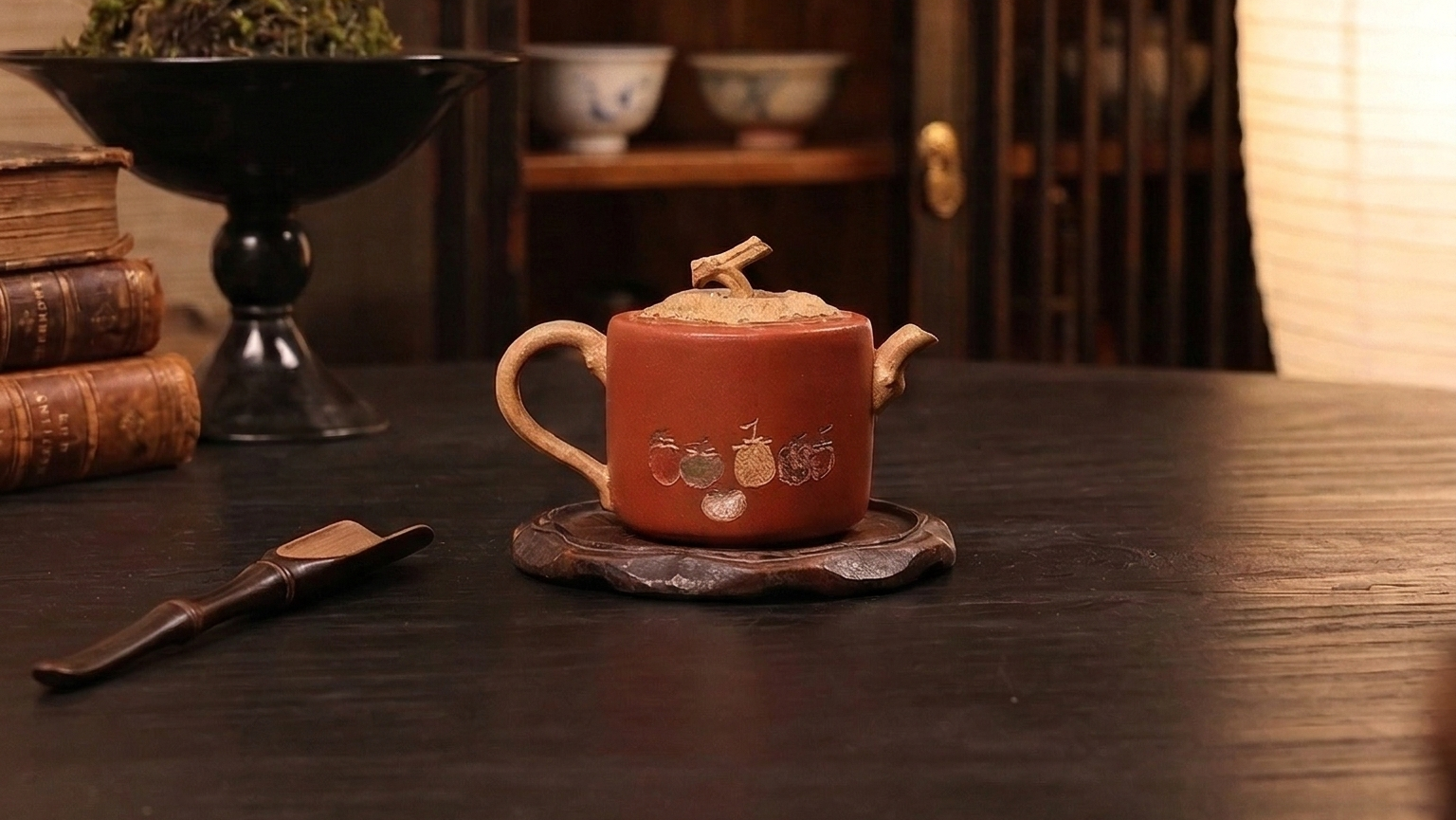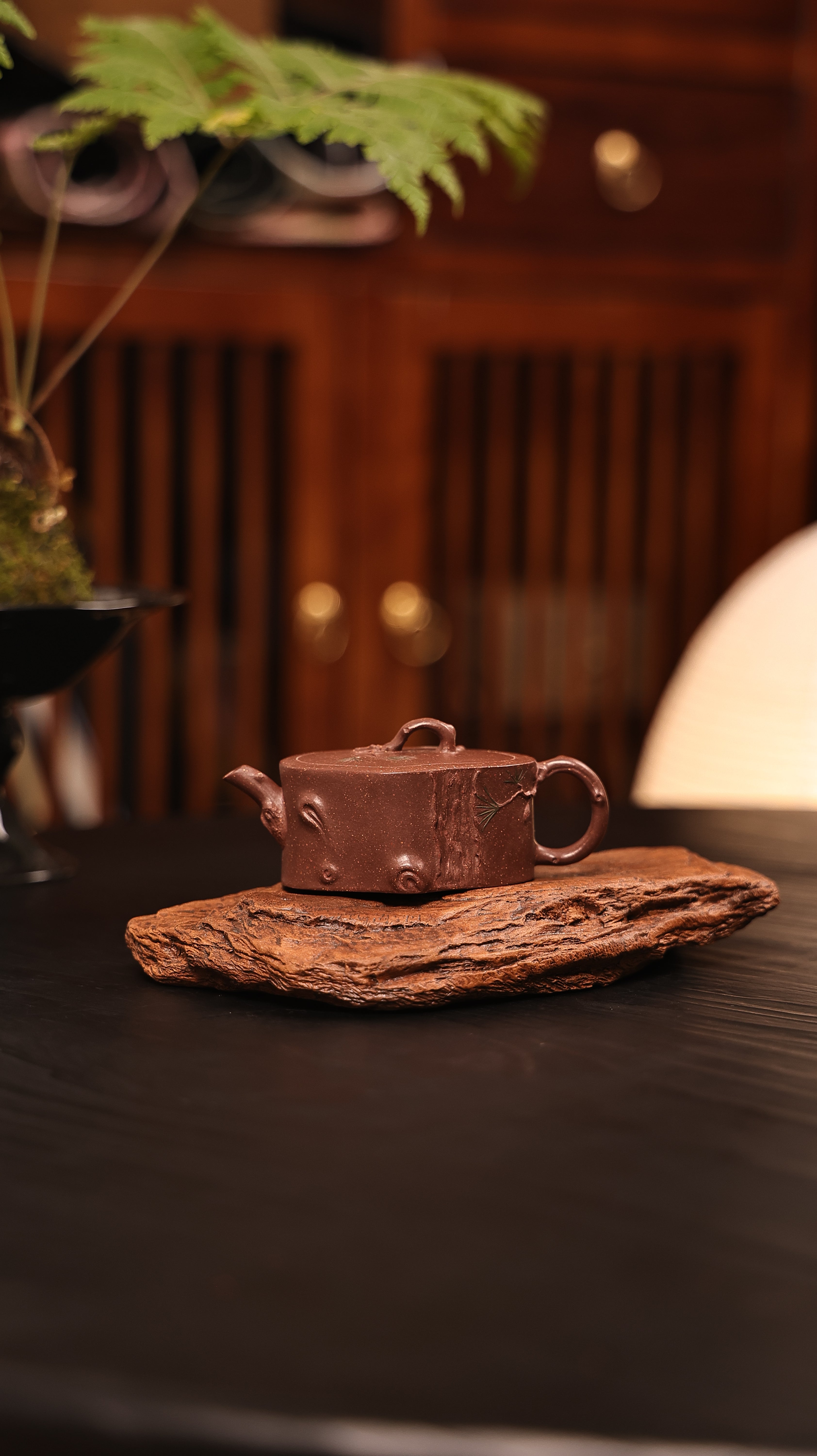
In the realm of timeless legacies,
Over periods, gatherers have been captivated by the exceptional charm of Yixing Zisha pots. Originating from the province of Yixing in the Chinese province, these objects are renowned for their preeminent beauty, extraordinary clay, and congenital ability to enhance the flavor of the brew. The earth's distinctive maroon hue, combined with the masterful fabrication of indigenous sculptors, creates creations that are concurrently functional masterpieces and coveted endowments. Possessing a Zisha teapot is more than just specific purchase; it's seizing a rich ethnic heritage.
Grasping Yixing Teapots: Narrative, Kinds, and Merit
The renowned Yixing teapots stand as a profound past deeply intertwined with Chinese culture. Stemming in the Yixing region of Jiangsu province, these clay vessels possess a heritage stretching back to the Ming Dynasty. Early copyrightples were functional, but throughout centuries, Yixing teapot forging evolved into an esteemed art form. The clay itself, known for its unique composition and ability to boost the flavor of the tea, exists a defining factor. Yixing teapots appear in various forms, broadly categorized by shape: Historic such as Zhuni (purple clay) and Bisheng, as well as refined designs. The merit of a Yixing teapot varies on several factors, including the potter’s fame, the age of the piece, the rarity of the clay, and its aesthetic elegance.- Account: Old ages
- Earth: Various types
- Worth Components: Age
Zisha Claycraft: Skills and Crafters
One crafting of a bona fide Zisha teapot is a complicated process, requiring periods of experience. Seasoned artisans meticulously pick the finest Zisha clay, a exclusive earth found only in specific regions of China. Time-honored techniques, often bequeathed through families, involve accurate shaping, nuanced carving, and unhurried firing in ancient ovens. The culminating teapot isn't merely a holder; it's a testament to artistic vision and the serious connection between the craftsman and their background. Each teapot showcases the special touch of the craftsman, resulting in a truly one-of-a-kind work of masterpiece.
Classical Vessels: Discovering the Broad Heritage of the Yixing Territory
The Yixing City, established in Jiangsu the region, is broadly renowned for its exceptional clay pots – a tangible representation of centuries of Chinese craftsmanship. These aren't merely vessels for preparing tea; they are intricate works of innovation, often reflecting conceptual ideals. This unique purple clay, known as Zisha, possesses notable qualities: this material dense, absorbent, and imparts a Yixing Zisha Teapot subtle tone to the tea.
- Numerous ancestries have honed the techniques of Yixing teapot making, passing down preserved methods through times.
- Collectors prize these pieces for their appearance and exceptionality.
- Each container tells a account, connecting the partaker to a rich history.
Exploring Yixing Zisha: Key Considerations
During analyzing procuring Yixing Zisha teapots, various criteria expect careful review. Firstly, the material's shade is noteworthy; authentic Zisha conventionally exhibits a pronounced reddish-brown shading. In addition, scrutinize the skill; meticulous traits and a flawless veneer indicate skillful artistry. Lastly, determine the potter's record; noted names garner elevated costs and often deliver a stable yield.
How to Brew Premium Tea with Zisha Clay
Creating sumptuous tea with a Zisha jar is more beyond a simple technique; it's an mastery. Zisha clay, famous for its unique geological composition, imparts a delicate character to the finished tea that’s often wanting with other implements. The suitable water level is necessary; typically, gentler than what's used for black tea, to maintain the tea's fragrance and zest. Consider mindfully the tea class; delicate green teas or aged pu-erhs gain from the Zisha’s ability to mellow their basic edge. It’s pivotal to heat the teapot in advance of brewing, and to prevent over-steeping. Mastering this art leads to a factually exceptional tea moment.
- Grasping Zisha Clay
- Water Temperature & Type of Brew
- Necessity of Preheating
Protecting Your The Kettle
To ensure prolong the longevity of your esteemed Yixing vessel, ongoing management is truly key. Abstain from using detergent; instead, tenderly flush it with warm aqueous substance. Prevent unexpected changes; refrain lay the teapot directly onto a searing surface. Periodically, enrich the clay pot by percolating it with excellent refined infusion, as this improves to improve its quality and preserves the special charm of the element.
Concerning Substance to Vessel: The Development of a Yixing Brewing Device
A creation of a Zisha teapot is a intriguing system, a indication to both the world's bounty and the finesse of the craftsperson. It originates with the exact extraction of the special clay from the burgundy Zisha mines near Yixing. This untreated material, known for its superlative characteristics, is then carefully distilled and ready for the original forming. The urn’s form is masterfully assembled using a combination of classical sculpting practices, often incorporating complex motifs. Following aging, the vessel undergoes a essential first firing, accompanied by a dressing stage, which might involve diverse layers of natural Zisha solutions. Finally, a second, and sometimes third, firing at strong temperatures solidifies the composition, revealing its final beauty and wonderful characteristics - a real masterpiece, equipped to embellish a tea custom.
{Yixing Teapots: A Symbol of Chinese Heritage and Respect
Esteemed Yixing teapots, originating from the prestigious Yixing region of Jiangsu province, are far more than mere ceramics for brewing potions; they represent a weighty aspect of Chinese culture. Crafted from distinctive purple clay – zisha – these exceptional teapots are highly valued for their ability to improve the flavor of the tea and, crucially, for their aesthetic appeal. The tradition of Yixing teapot making spans centuries, and the expertise involved is transmitted through generations, making each teapot a masterpiece that embodies long-established techniques and a profound appreciation for the modest pleasures in life.