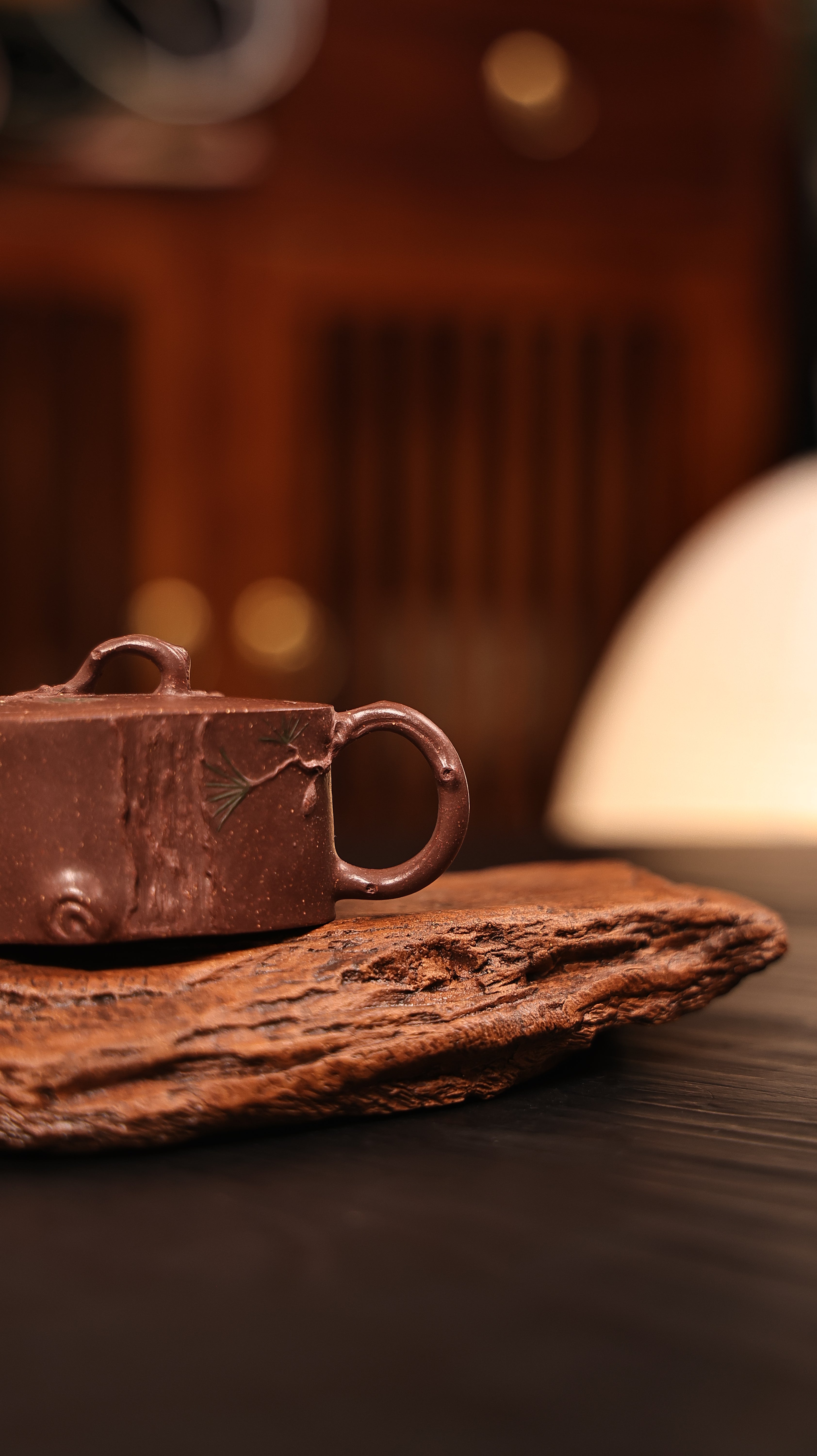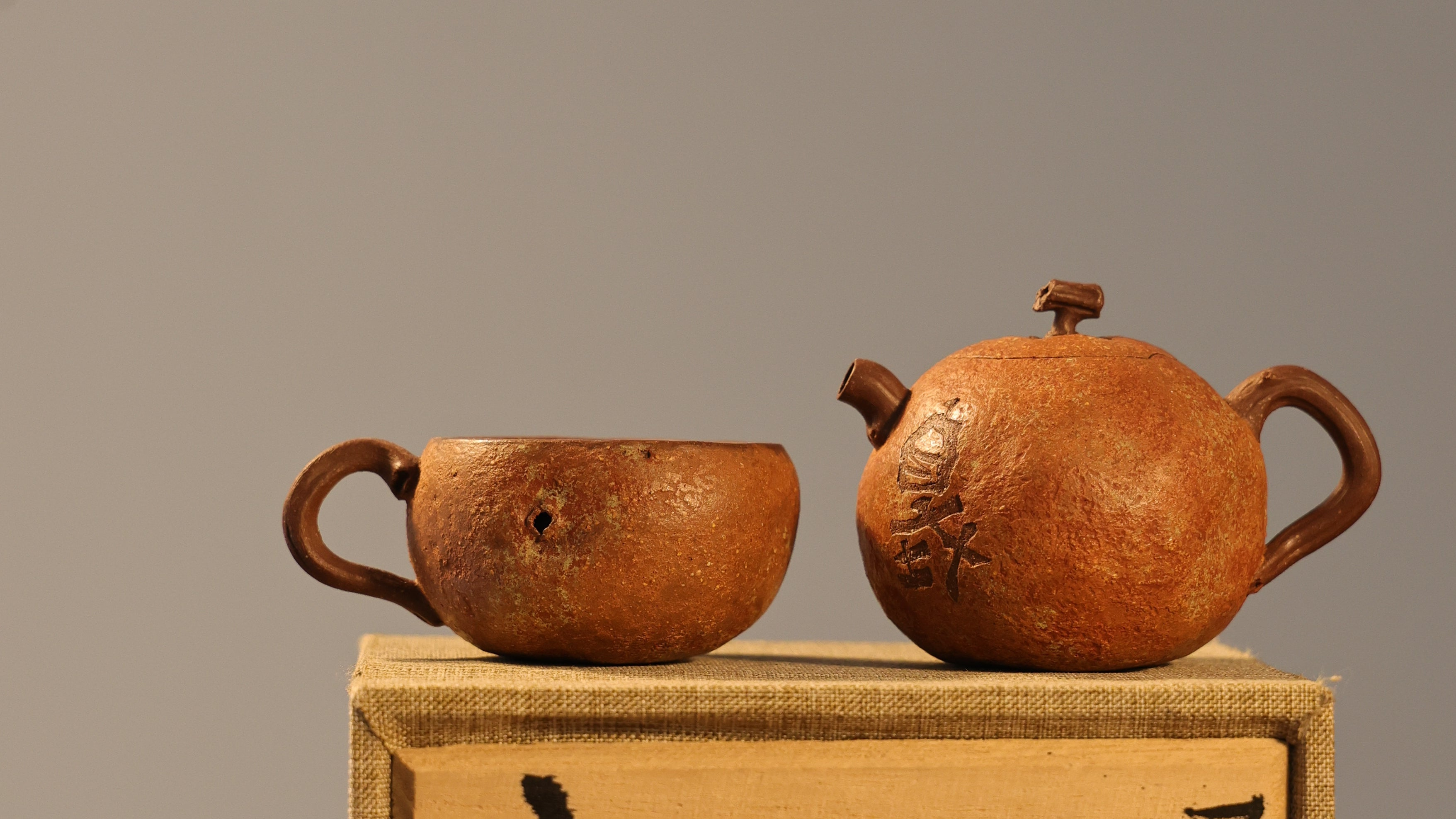
Everlasting legacy establishes Jiangnan jugs for epochs,
Expressing exclusive characteristics gathered amidst domestic purple soils, these vessels acquire a luster after handling, improving essence emanated from developed concoctions.
Unveiling Yixing Dregs: Broad Insights into Zisha
Various followers acknowledge the singular quality of Yixing heliotrope clay, an essential element of established Chinese porcelain. Deriving from the Yixing region of Jiangsu province, this uncommon clay exhibits an detailed mineral structure, that provides incredible qualities to the manufactured items. Classes within Zisha, including Jiang Mud, Duan Ni Mud, and Jiang Xi Mud, each presents different shades, materials, and processing traits, changing the airflow and the decisive flavor evolution of the concoction.
Asiatic Container Customs: Learning Innovation
Far Eastern teapots embody beyond mere containers for extract; they express centuries of traditional mastery. From the distinguished Yixing clay variations, respected for their breathable nature which imparts individual aromas to the brew, to the elegant porcelain from Jingdezhen, each piece tells a anecdote of labor. The crafting process is an involved task, often handed over through bloodlines of specialists. These masters use established approaches such as hand-building, shaping on wheels, and enhancing, demonstrating profound reverence for the material and the skill itself. Ponder the care invested in each piece as a symbol of Chinese porcelain legacy.
- Yixing crocks: a timeless pick.
- Jingdezhen ware teapots: noted for their lightweight design.
- Crafting techniques: a difficult yet satisfying procedure.
Clay Vessel Container Safeguarding: Maintaining Your Beloved Piece
Adequate management of your special Yixing Zisha container is paramount to preserving its quality. Crafted from celebrated purple sand mineral, these superior teapots mature a complex patina after practice, greatly boosting their allure. Stay away from agents; a soft rinse with moderate temperature hydraulic medium is sufficient. Shun heated water for cleaning the teapot, as it may break its fabric. Allow it to lose wetness away from harsh sun beams. Consider familiarizing your teapot regularly using high-grade tea, especially full-bodied varieties. Here is a brief instruction:
- Wash over with lukewarm moisture.
- Eschew cleansers.
- Give it to dry naturally.
- Cure with premium tea.
Roots of Yixing Teapots: Initial Phases
The record of Yixing teapots arises modestly during the Tang dynasty, about the 16th era. Initially, these earthenwares were not the coveted objects they are perceived today. They were formed by homegrown potters using the particular purple clay extracted solely in the Yixing vicinity. These early concoctions were essentially utilitarian, fashioned for frequent practice and often minimal in pattern. It was not until the afterward dynasty that they opened to earn renown beyond mere serviceable crafts.
Identifying the Appropriate Chinese Container: A Novice's Guide
Venturing the world of Yixing teapots can be difficult, but eschew hesitating! For initiates, the essential factor is understanding the material. Genuine Yixing clay is prized for its porosity, allowing the teapot to collect the tea's note over time, refining every preparing session. Consider the form; traditional curved shapes prevail, yet unique preferences hold sway. Lastly, examine the texture—while some favor an unprocessed appearance, others value a nuanced gloss. Take your time in the acquisition process—this is an procurement in a esteemed piece of workmanship.
Eastern Clay Vessels and Their Power on Chinese Brew Practice
Zisha vessels, existing from Yixing, China, have profoundly changed established Chinese tea culture. The Yixing clay teapots, prized for their special color, makeup, and exceptional ability to impart a subtle bouquet to the beverage, represent more than mere holders; they are valued pieces of art and symbols of distinction. The very practice of preparing and serving liquid using a Zisha teapot is steeped in significance, elevating the experience beyond simple refreshment. Successions of artisans have developed their techniques, passed down through lineages, resulting in highly esteemed pieces. As a result, Zisha teapots are frequently held, playing a crucial part in cultivating regional appreciation for aesthetics and the custom of infusion ceremonies.
- Distinctive Clay Composition
- Bestowing Subtle Flavor
- Fine Craftsmanship
Spotting Genuine Collectible Chinese Artifacts
Acquiring a real Yixing teapot can be a gratifying experience, but the field is often saturated with counterfeits. Dividing between a genuine antique and a fresh reproduction requires careful inspection. Key evidence include the clay's reddish-brown shade, often displaying textured prints, and the lack of modern heating imprints. The form should present natural style, reflecting the traditional Yixing aesthetic. Finally, investigating the manufacturer's mark is necessary to verify certainty against published archives.
- Assess the clay's surface.
- Look for imperfections, indicative of manual quality.
- Employ an expert for appraisal.
Collecting Yixing Ceramic Vessels: A In-Depth Instruction to Zisha Understanding
The field of Native Zisha pieces presents a distinct possibility for educated admirers. Increasingly, the worth of these traditional artifacts is determined by numerous variables, such as the category of Zisha, the skill of the artisan, the artistic value, and, naturally, the existing supply. Learners should study on examining the varied forms of Zisha clay—such as Icy Wave, Hushed Pot, and Blush Clay—and familiarizing the qualities linked to each. Meticulous inspection of the vessel's outline, complexion, and Chinese Teapot logo is correspondingly fundamental to make experienced judgments when investing.