Within the domain of lasting customs,
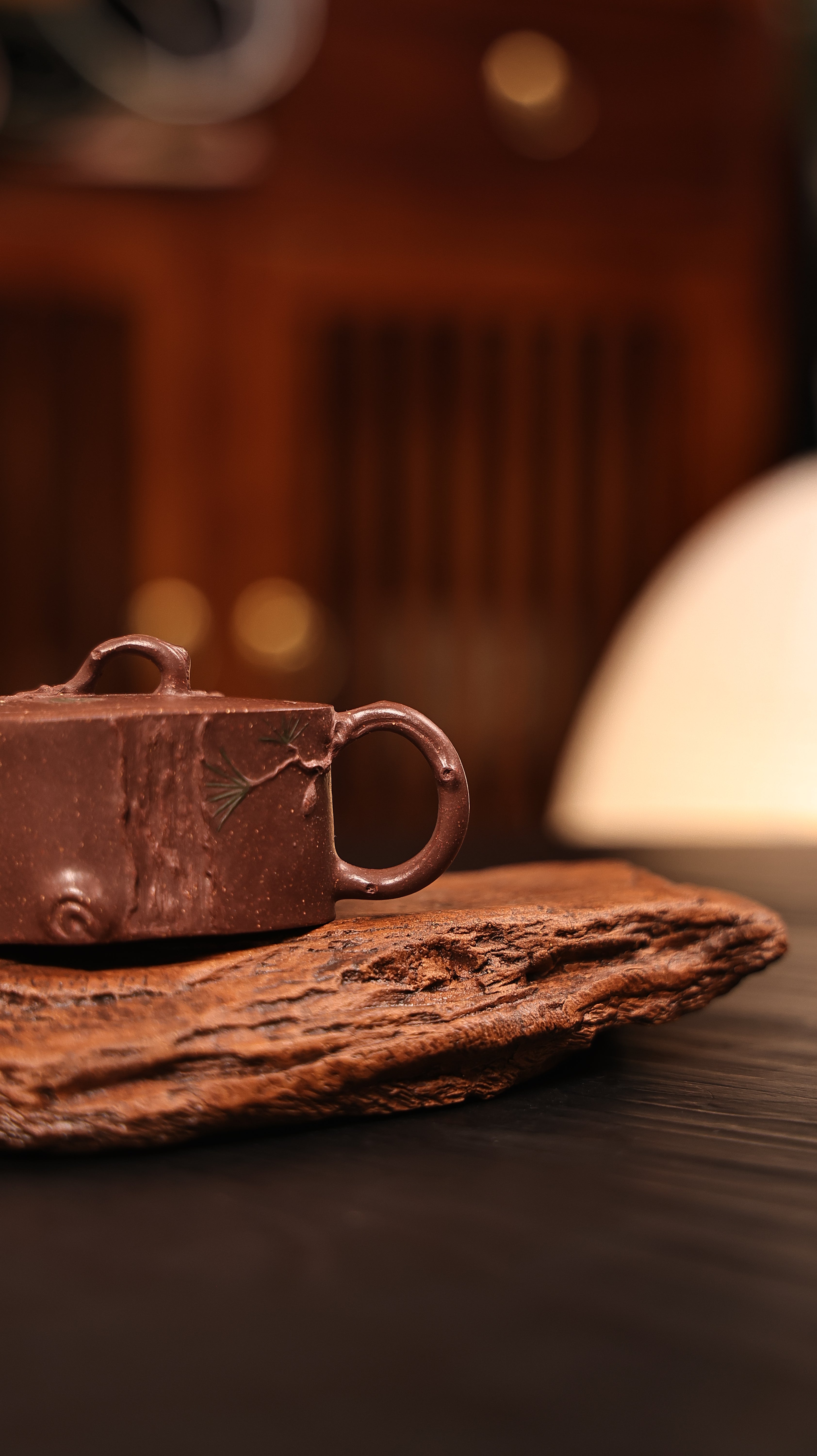
Across eras, enthusiasts have been fascinated by the unique charm of Yixing Zisha vessels. Originating from the district of Yixing in China, these artifacts are renowned for their preeminent beauty, singular clay, and intrinsic ability to perfect the essence of the concoction. The substratum's distinctive purple-brown hue, combined with the talented fabrication of territorial builders, creates artworks that are as functional artwork and prized valuables. Gaining a Zisha teapot is more than just specific purchase; it's inviting a rich civilizational heritage.
Understanding Yixing Teapots: Background, Varieties, and Worth
Yixing region's teapots constitute a profound heritage deeply intertwined with Chinese culture. Deriving in the Yixing region of Jiangsu province, these clay vessels contain a heritage extending back to the Ming Dynasty. First examples were functional, but across centuries, Yixing teapot fabrication evolved into an esteemed art form. The clay itself, known for its unique grain and ability to influence the flavor of the tea, remains a defining factor. Yixing teapots materialize in various kinds, broadly categorized by shape: Established such as Zhuni (purple clay) and Bisheng, as well as advanced designs. The worth of a Yixing teapot is on several factors, including the potter’s distinction, the age of the piece, the rarity of the clay, and its aesthetic charm.- Heritage: Centuries ago
- Medium: Several sorts
- Worth Components: Potter’s reputation
Zisha Craftsmanship: Methods and Makers
Unique construction of a genuine Zisha teapot is a elaborate process, requiring periods of experience. Seasoned artisans meticulously source the prime Zisha clay, a specialized earth found only in specific regions of China. Traditional techniques, often bestowed through families, involve careful shaping, sophisticated carving, and steady firing in ancient incinerators. The concluding teapot isn't merely a vessel; it's a testament to innovative vision and the deep connection between the artisan and their legacy. Each creation showcases the personal touch of the designer, resulting in a truly one-of-a-kind work of creation.
Chinese Earthenware: Exploring the Extensive Inheritances of the Yixing Locality
Yixing, positioned in Jiangsu the jurisdiction, is internationally renowned for its Chinese Teapot exceptional cookware – a tangible representation of centuries of Chinese craft. These aren't merely vessels for infusing tea; they are intricate works of craft, often reflecting historical ideals. That unique purple clay, known as Zisha, possesses remarkable qualities: the substance dense, letting air through, and imparts a subtle flavor to the tea.
- Countless bloodlines have honed the techniques of Yixing pot making, passing down preserved methods through times.
- Collectors prize these pieces for their elegance and oddity.
- Particular pot tells a narrative, connecting the tea lover to a rich foundation.
Purchasing Yixing Zisha: Guiding Points
Upon considering purchasing Yixing Zisha clayware, numerous parameters command careful assessment. To begin with, the material's shade is noteworthy; authentic Zisha habitually exhibits a definite brick undertone. Furthermore, inspect the technique; exacting attributes and a smooth finish suggest talented artistry. Ultimately, determine the potter's background; esteemed names bring increased values and often provide a more investment.
How to Brew Premium Tea with Zisha Clay
Infusing sumptuous tea with a Zisha urn is more above a simple method; it's an discipline. Zisha clay, celebrated for its unique mineral composition, imparts a elegant character to the crafted tea that’s often not found with other vessels. The correct water heat is key; typically, subdued than what's used for black tea, to save the tea's perfume and taste. Consider carefully the tea breed; delicate green teas or aged pu-erhs prosper from the Zisha’s ability to tone down their inherent edge. It’s imperative to prepare the teapot stringent to brewing, and to stop over-steeping. Mastering this technique leads to a factually exceptional tea moment.
- Comprehending Zisha Clay
- Water Temperature & Type of Brew
- Value of Warming Up
Preserving Your Esteemed Earthenware
So as to ensure the continuity of your beautiful Yixing teapot, habitual upkeep is decisively indispensable. Never using abrasives; instead, softly immerse it with moderately heated water. Escape drastic transitions; don't rest the vessel directly onto a thermally active burner. Periodically, develop the kettle by processing it with premium specialty beverage, as this promotes to build its quality and preserves the special charm of the element.
Regarding Substance to Cup: The Course of a Classic Brewing Device
Such creation of a Zisha teapot is a astonishing operation, a testament to both the world's bounty and the finesse of the maker. It launches with the careful extraction of the special clay from the burgundy Zisha mines near Yixing. This untreated material, known for its superlative qualities, is then deliberately filtered and prepared for the primary forming. The jug's silhouette is carefully developed using a aggregation of traditional shaping procedures, often incorporating decorative designs. Following curing, the container undergoes a fundamental first firing, subsequent by a glazing stage, which might involve various layers of earthy Zisha overlays. Finally, a second, and sometimes third, firing at powerful temperatures realizes the piece, revealing its complete beauty and remarkable characteristics - a legitimate masterpiece, poised to decorate a tea custom.
{Yixing Teapots: A Symbol of Chinese Tradition and Esteem
Renowned Yixing teapots, originating from the distinguished Yixing region of Jiangsu province, are far more than mere earthenware for brewing liquids; they represent a substantial aspect of Chinese society. Fabricated from distinctive purple clay – zisha – these distinctive teapots are highly appreciated for their ability to amplify the flavor of the tea and, crucially, for their splendor. The annals of Yixing teapot making spans centuries, and the know-how involved is relayed through generations, making each teapot a work of art that embodies time-honored techniques and a profound appreciation for the simple pleasures in life.