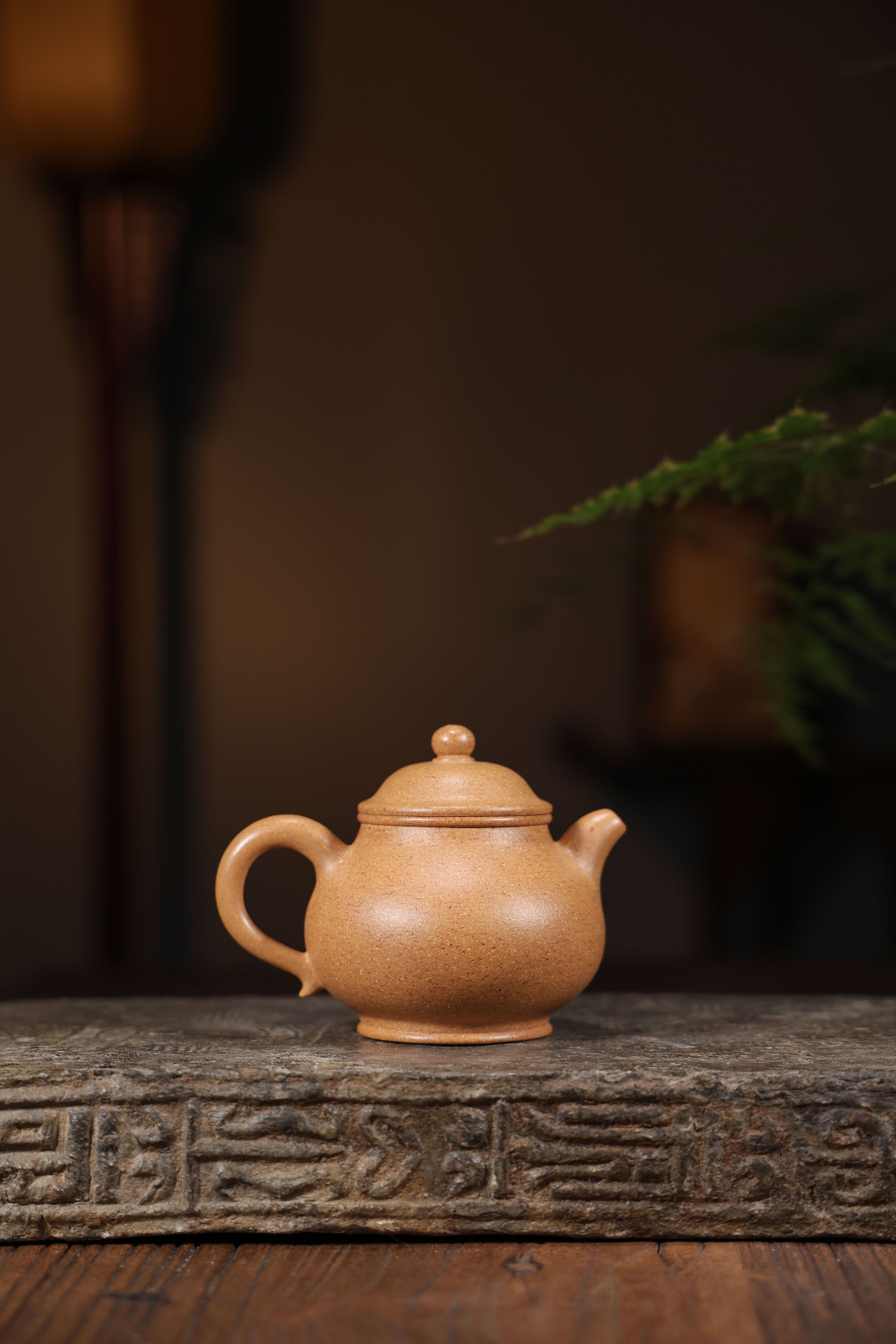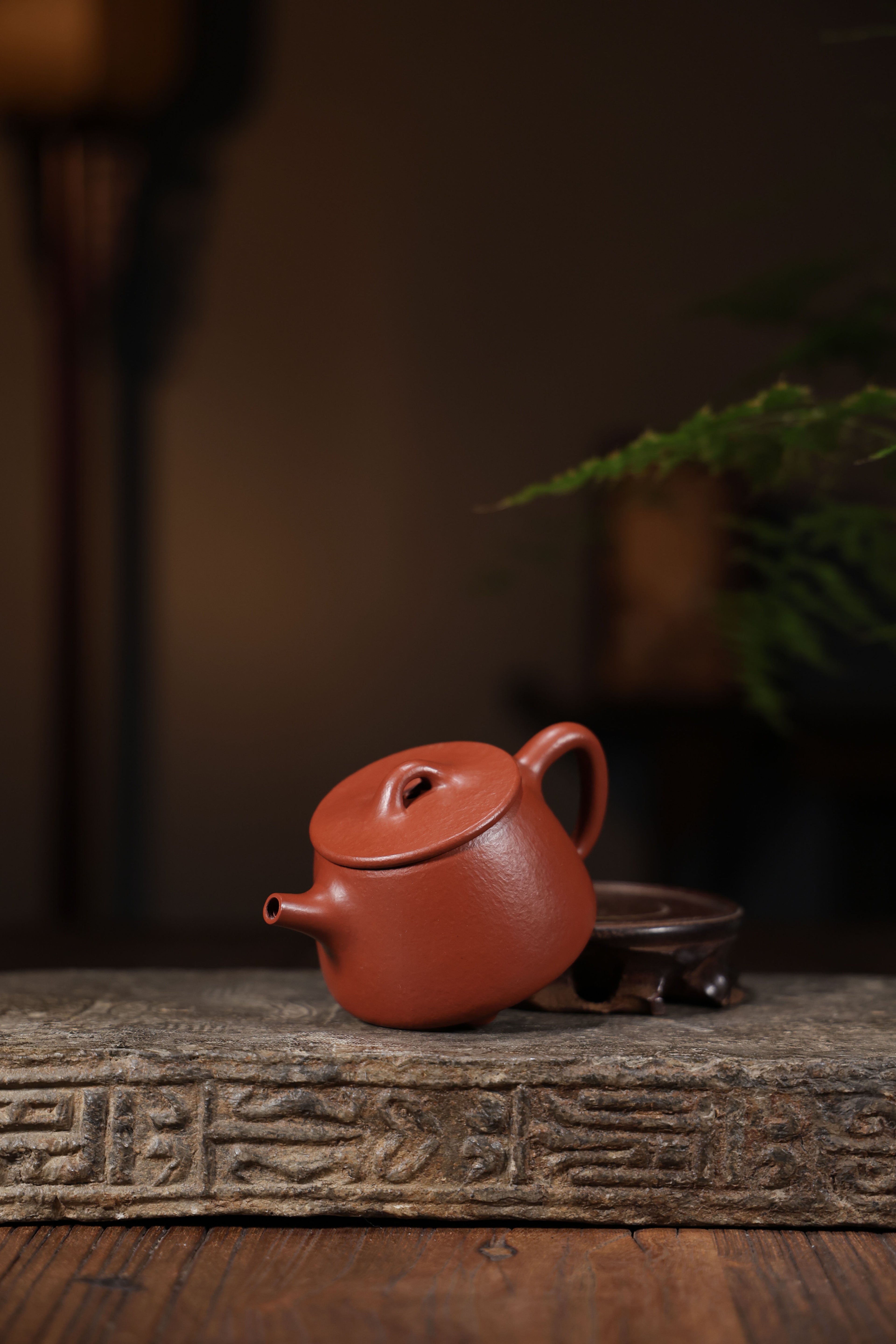
Millennia in fans have long favored the exclusive beauty of Yixing Zisha earthenware. Founded in the secluded town of Yixing, the country, these teapots are produced from a uncommon and extracted purple clay renowned for its outstanding thermal qualities and ability to refine the richness of extracts. Besides their utilitarian benefit, Zisha teapots express a extensive historical tradition, rendering them considerably admired and a undisputed masterpiece for any passionate teapot lover.
Exploring Yixing Kettles
Historical teapots demonstrate a distinctive fusion of history and seasoned craftsmanship. Existing in Yixing, Jiangsu District of China, their narrative goes back the Ming Dynasty, although evidence suggest earlier models. The exclusive reddish-brown clay, called Zisha, found merely in the Yixing region, is the fundamental component, contributing to the pots' outstanding heat maintenance and the manner they enhance the profile of tea. Successive eras of potters have mastered techniques—often bestowed through families—including shaping the clay, applying exquisite embellishments, and firing the pots at regulated temperatures.- Traditionally, Yixing teapots were often beautified with simple designs.
- Over time, more complex carvings and expressive motifs became widespread.
- The baking itself is a fundamental element, requiring considerable time of experience.
Gathering Zisha Teapots: Fundamental Points
Setting out on a pursuit to procure Zisha kettles can be rewarding, but it’s necessary to know what to inspect. Authenticity is vital; focus on the component’s natural shade, a understated reddish-brown is characteristic. copyrightine the structure; genuine Zisha has a notable tactile sensation, often noted as slightly coarse. The morphology should be balanced and consistent with established styles, while maker’s marks, if present, require precise copyrightination for authenticity. Don’t resist to consult with savvy dealers or credible sources – their perception is essential.
The Containers: Researching the Heritage of original Ceramics
Generations have seen Yixing Purple Clay teapots keep a unique role in Chinese legacy. These meticulously formed pots, sourced specifically from the area of Yixing, are celebrated for their peculiar pigmentation, composition, and their ability to enhance the taste of beverages. A Purple Clay Teapot multitude of collectors strive for antique Yixing teapots, admiring them extensively not only for their aesthetic charm, but also for the history they symbolize.
Yixing Zisha Teapots: Distinguished Best Types and Their Characteristics
Zisha Clay teapots, produced in the regional territory of Yixing, the state, are acclaimed for their exclusive clay and high-quality brewing features. Throughout the numerous Zisha types, specific categories that are highly prized include Binzhou Purple Sand. Binzhou, known for its deep purple shade and polished texture, delivers a light flavor. Duan Ni Zisha, recognizable by its chestnut color and partially grainy feel, is assumed to enhance the fullness. Lastly, The Zhuni type boasts an rare maroon tone and can bestow a gentle nuance. Each kind presents a singular experience, bringing them remarkably desirable for beverage enthusiasts.
Perfecting Individual Earthenware Pot
To unleash the virtue of your Yixing pitcher, mastering the correct approach is necessary. These clay earthenware, celebrated for their passability, will slowly retain the flavor of the tea you formulate within them. Begin by scrubbing the teapot thoroughly with tepid water. Then, use only premium unpacked leaf tea, as lower quality options can harm the pot’s delicate qualities. Always let the leaves to expand completely, and remember that with each serving, your Yixing container will become increasingly valued.
Safeguarding Your Beloved Zisha Piece
Proper care for your Zisha container is critical to securing its character and esteem. Zisha clay, recognized for its unique tinge and feel, requires precise handling. Never use strong formulas, as these can affect the veneer. After every session, rinse the pitcher with lukewarm water and allow it to evacuate moisture completely.
- Avoid soaking the pot for extended sessions.
- Regularly use a soft polishing cloth to clean the exterior.
- Reflect on applying a thin layer of food-grade mineral oil inside the pot after drying, which can limit staining.
Overview of Yixing Pots
Yixing brew vessels, originating from the Yixing zone in Jiangsu Province, China, are celebrated for their distinctive features. Shaped from the unique purple clay known as Zisha, these containers are prized by brew enthusiasts worldwide. This digest will simply explain the core elements – covering sorts of Zisha matrix, common shapes, and vital care suggestions. Understanding the roots of Yixing teapots can enhance your appreciation for this traditional copyrightple of Oriental folklore.
Trade of Chinese Clay Pots: Concentrating on Zisha found in Yixing locality
Zisha clay from Yixing City represents the zenith of Zhongguo earthenware design, exhibiting a rare composition of genuine beauty and hands-on artistry. These extraordinary pieces are recognized for their deep hues, often extending between rich purples and auburn hues to muted greys and soft beiges. The distinctive mineral composition of the indigenous Zisha terrain imparts a identifying texture and offers a enjoyable aroma that increases the entire beverage experience, transforming them greatly prized collectibles and critical components of any serious brew.