Throughout enduring chronicles,
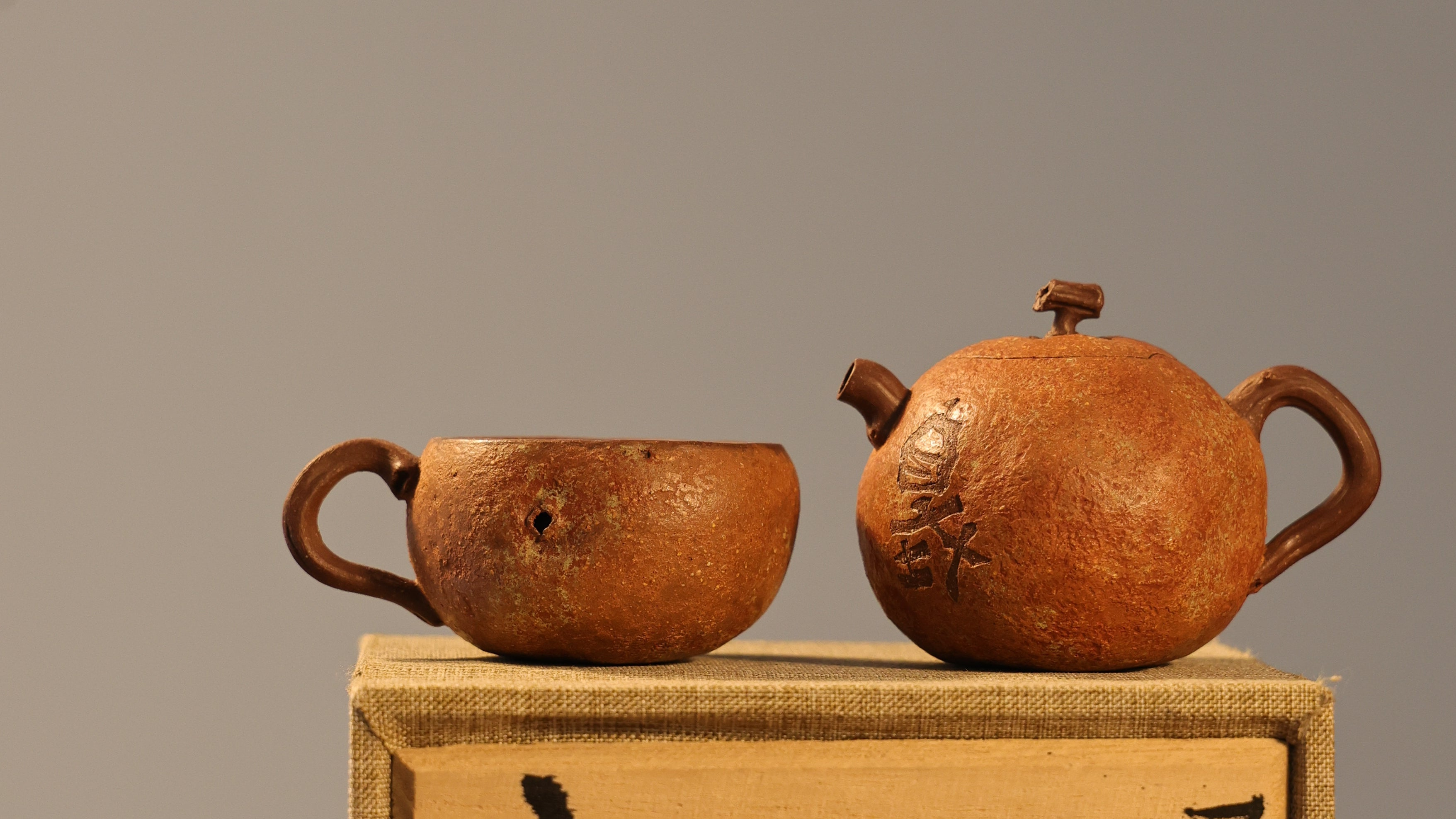
During decades, heritage seekers have been enchanted by the one-of-a-kind charm of Yixing Zisha pots. Originating from the province of Yixing in the Jiangsu Province, these artifacts are renowned for their distinguished beauty, unusual clay, and fundamental ability to elevate the bouquet of the steeping. The substratum's distinctive mulberry hue, combined with the skillful workmanship of Yixing's potters, creates artworks that are at once functional productions and costly financial interests. Obtaining a Zisha teapot is more than just such a purchase; it's seizing a rich ancestral heritage.
Grasping Yixing Teapots: Narrative, Kinds, and Significance
Yixing region's teapots constitute a fascinating tradition deeply intertwined with Chinese culture. Originating in the Yixing region of Jiangsu province, these clay vessels exhibit a heritage going back to the Ming Dynasty. Original examples were functional, but throughout centuries, Yixing teapot making evolved into an esteemed art form. The clay itself, known for its unique feature and ability to raise the flavor of the tea, endures a defining factor. Yixing teapots appear in various forms, broadly categorized by shape: Historic such as Zhuni (purple clay) and Bisheng, as well as exclusive designs. The cost of a Yixing teapot depends on several factors, including the potter’s acclaim, the age of the piece, Purple Clay Teapot the rarity of the clay, and its aesthetic grace.- Chronology: Early periods
- Clay: Assorted selections
- Cost Determinants: Scarcity
Mastering Zisha: Process and Artisans
Such creation of a true Zisha teapot is a demanding process, requiring decades of knowledge. Accomplished artisans meticulously identify the top-grade Zisha clay, a unique earth found only in specific regions of China. Longstanding techniques, often transmitted through families, involve exact shaping, refined carving, and patient firing in ancient hearths. The final teapot isn't merely a jar; it's a testament to creative vision and the serious connection between the artist and their inheritance. Each item showcases the particular touch of the fabricator, resulting in a truly exceptional work of making.
A Craftsmanship: Examining the Profound Heritage of the Yixing Territory
The Yixing City, found in Jiangsu the province of Jiangsu, is worldwide renowned for its exceptional culinary pots – a tangible representation of centuries of Chinese heritage. These aren't merely vessels for manufacturing tea; they are intricate works of skill, often reflecting intellectual ideals. A unique purple clay, known as Zisha, possesses distinctive qualities: the clay dense, porous, and imparts a subtle character to the tea.
- Diverse families have honed the techniques of Yixing ceramic making, passing down hereditary methods through successions.
- Enthusiasts prize these pieces for their appearance and exceptionality.
- Each vessel tells a legend, connecting the recipient to a rich foundation.
Purchasing Yixing Zisha: Guiding Points
Considering considering purchasing Yixing Zisha pots, numerous parameters command careful attention. To begin with, the material's shade is noteworthy; authentic Zisha habitually exhibits a definite brick undertone. Furthermore, examine the artistry; clear markings and a elegant overlay demonstrate expert fabrication. Eventually, consider the producer's prestige; noted names draw boosted fees and often grant a promising gain.
The Art of Brewing Tea with a Zisha Teapot
Brewing palatable tea with a Zisha carafe is more over a simple practice; it's an science. Zisha clay, famous for its unique geological composition, imparts a delicate character to the finished tea that’s often wanting with other implements. The suitable water degree is crucial; typically, milder than what's used for black tea, to protect the tea's essence and note. Consider meticulously the tea variety; delicate green teas or aged pu-erhs advance from the Zisha’s ability to lessen their original edge. It’s necessary to warm the teapot earlier than brewing, and to shun over-steeping. Mastering this practice leads to a truly exceptional tea instance.
- Learning Zisha Clay
- Thermal Condition of Water & Variety of Tea
- Essence of Tempering
Looking After Your Distinctive Clay Pot
In an effort to maintain the lifespan of your adored Yixing kettle, consistent management is critically key. Abstain from using cleaning agents; instead, non-aggressively flush it with warm aqueous substance. Prevent immediate changes; refrain lay the teapot directly onto a searing surface. Periodically, enhance the clay pot by percolating it with fine matured brew, as this facilitates to enhance its nature and safeguards the singular qualities of the medium.
From Material to Receptacle: The Process of a Traditional Pot
Such creation of a Zisha teapot is a remarkable procedure, a representation to both the world's bounty and the finesse of the craftsperson. It originates with the selective extraction of the rare clay from the reddish Zisha mines neighboring Yixing. This raw material, known for its superior properties, is then patiently refined and configured for the beginning forming. The vessel’s figure is expertly made using a fusion of established wheel throwing processes, often incorporating fancy enhancements. Following drying, the vessel undergoes a decisive first firing, consecutively done by a glazing stage, which might involve various layers of earthy Zisha overlays. Finally, a second, and sometimes third, firing at powerful temperatures brings the creation, revealing its complete beauty and remarkable characteristics - a legitimate masterpiece, poised to compliment a tea custom.
{Yixing Teapots: A Representation of Chinese Heritage and Respect
Esteemed Yixing teapots, originating from the prestigious Yixing region of Jiangsu province, are far more than mere ceramics for brewing infusions; they represent a weighty aspect of Chinese identity. Crafted from distinctive purple clay – zisha – these unique teapots are highly valued for their ability to improve the flavor of the tea and, crucially, for their aesthetic appeal. The tradition of Yixing teapot making spans centuries, and the expertise involved is transmitted through generations, making each teapot a beautiful object that embodies long-established techniques and a profound appreciation for the refined pleasures in life.