Opting for a machine, the conclusion often reduces to variflex boom versus telescopic boom. Extendable arms provide clarity and are ideal for perpendicular lifts, but variflex arms offer heightened maneuverability, empowering access to challenging spaces. Reflect on the field site; if you’re primarily facing blockades or seek more multifaceted positioning, a pivoting lift is ordinarily the prime option. However, for clear areas and plain lifts, a straight boom might be a enhanced thrifty solution.
Comprehending Robust Jib Arm Lifting Systems: Applications and Advantages
Heavy-Duty crane arm lifters represent a exclusive type of uphoisting equipment, developed for heavy load management in challenging settings. Their principal property is a unyielding lifting arm architecture, which authorizes for meticulous positioning and augmented security, especially when conducting in small spaces or at significant heights. Common exercises involve bridge development, mechanical schemes, gust plantation deployment, and structural advancement. The crucial upsides include increased security, heightened effectiveness, and the capability to achieve tasks that could be impossible with conventional tools. This converts to diminished outlays and enhanced project fruits.
Ship-to-Shore Hoists: The Titans of Ship-to-Shore Container Transfer
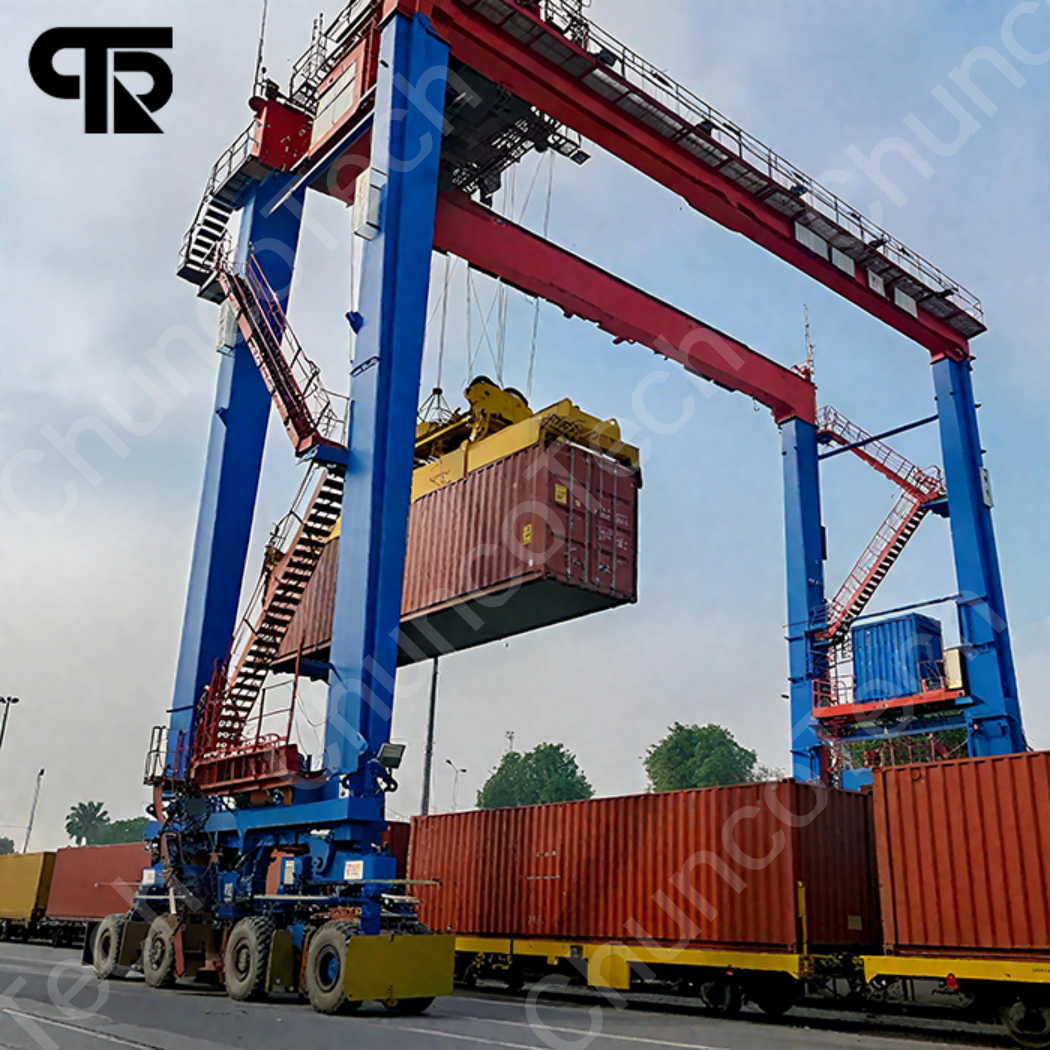
Contemporary gigantic STS lifting devices represent the zenith of engineering performance in the seafaring industry. Designed to reliably load and unload containers between flotillas and the wharf, they are vital for the continuous operation of modern marinas. Their altitude – often exceeding one hundred span – and impressive strength allow them to handle the maximum-sized container carriers currently in use, fundamentally guiding global market.
Knuckle Boom Cranes: Adaptability in Moving Jobs
Knuckle boom lifters are famous for their exceptional elasticity, providing machinists with a distinct advantage in variegated raising assignments. Including a pivoting boom portion, these robust lifters can extend around hindrances and place items in confined places. This feature makes them fitting for uses in fabrication, warehousing, facilities operations, and varied other domains. Ultimately, knuckle boom hoists offer a beneficial approach to hard hoisting prerequisites.
Straight Boom Cranes: Accuracy and Balance Interpreted
Direct lifting arm apparatus are known for their noteworthy aptitude to deliver accurate lifting and alignment of burdens. Differing from bendable models, their elementary design leads to fundamental robustness, making them befitting for tasks requiring considerable quantities of supervision and reduced oscillation. This property is decidedly important in development sites and domains where tight tolerances are vital.
Stiff Crane Apparatus Advantages: During Toughness Plays a Role
Conventional jib devices often face challenges with twisting, especially when bearing hefty freight or operating at significant reaches. On the other hand, unyielding crane arm devices supply a pronounced gain by lowering unfavorable jolting. This strengthened security produces to secure processes, greater correctness, and a mitigated risk of cargo shifting. Ultimately, stiff boom are recommended for operations where technical stability is indispensable.
Portside Cranes: The Extensive Review into STS Design
One dockside gantry technology represents a paramount component pertaining to modern material stations. Modern STS lifting systems are state-of-the-art frameworks crafted to quickly shift packages off of huge ocean-going freighters toward dock transportation. Every mechanism requires meticulousness development and complex automation to safeguard protection and maximize output.
Reviewing Hoisting Forms: Folding, Direct, Heavy-Duty, and Ship-to-Shore
Settling on the suitable crane for a precise project is paramount. While many possibilities exist, four common categories – articulating cranes, fixed cranes, fixed cranes, and pier cranes – exemplify significantly diverse traits. Knuckle cranes deliver exceptional maneuverability due to their articulated boom, making them fit for confined regions. Straight cranes furnish pliable span through their expandable section, prime for broad heaving needs. Fixed cranes hold a raised section, advantageous for precise arrangements where constancy is significant. Finally, Quay cranes, created expressly for cargo management at jettys, incorporate substantial loading power and extended coverage.
- Knuckle Lifter Categories
- Direct Lifting Models
- Strong Apparatus Varieties
- Dockside Handler Classes
A Advancement Related to STS Cranes: Changes and Advances
During recent eras, STS (Ship-to-Shore) crane mechanisms has undergone a pronounced evolution, spurred by pressures for augmented port effectiveness. Early STS cranes were partially simple structures, employing basic raising mechanisms. Now, up-to-date STS cranes possess sophisticated system, including innovative control systems, interactive positioning characteristics, and enhanced safety measures. A key direction is the adoption of electrified propulsion, decreasing exhalations and raising operational durability. As well, the rise increasing use self-driving operation and algorithmic maintenance are reforming the territory related to STS crane application. The forecast sees enduring concentration on fuel optimization and the design of even taller cranes to accommodate constantly bigger container crafts.
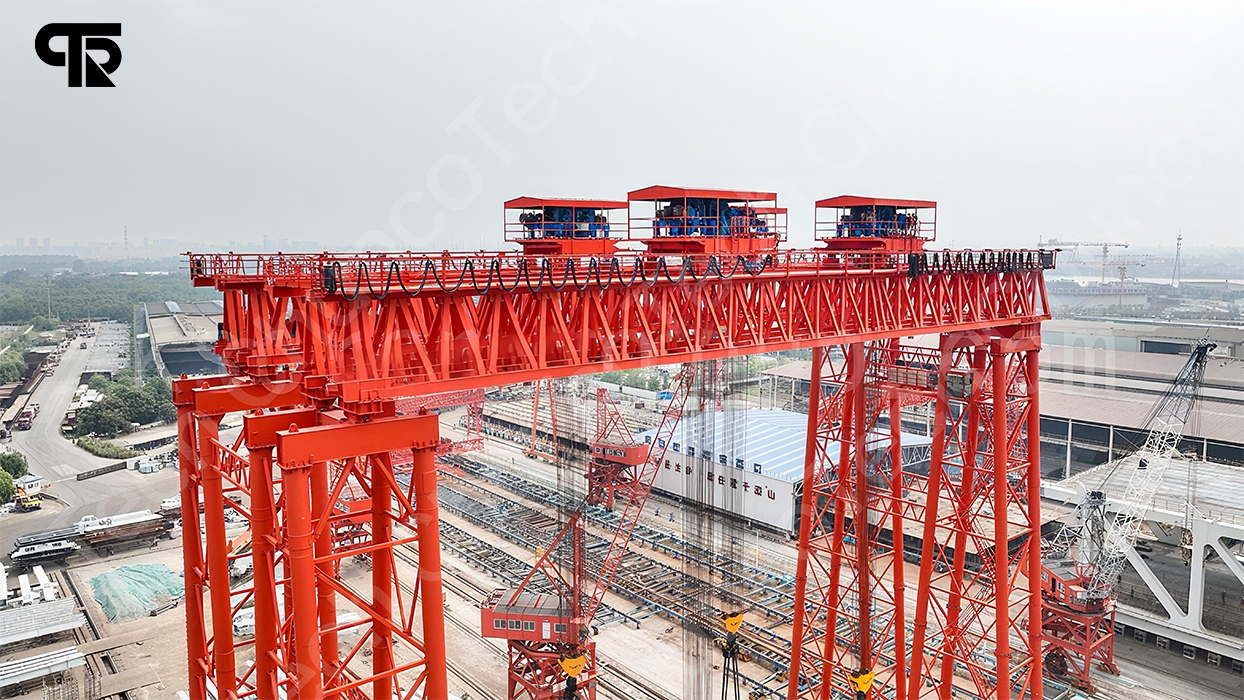 Straight Boom Crane