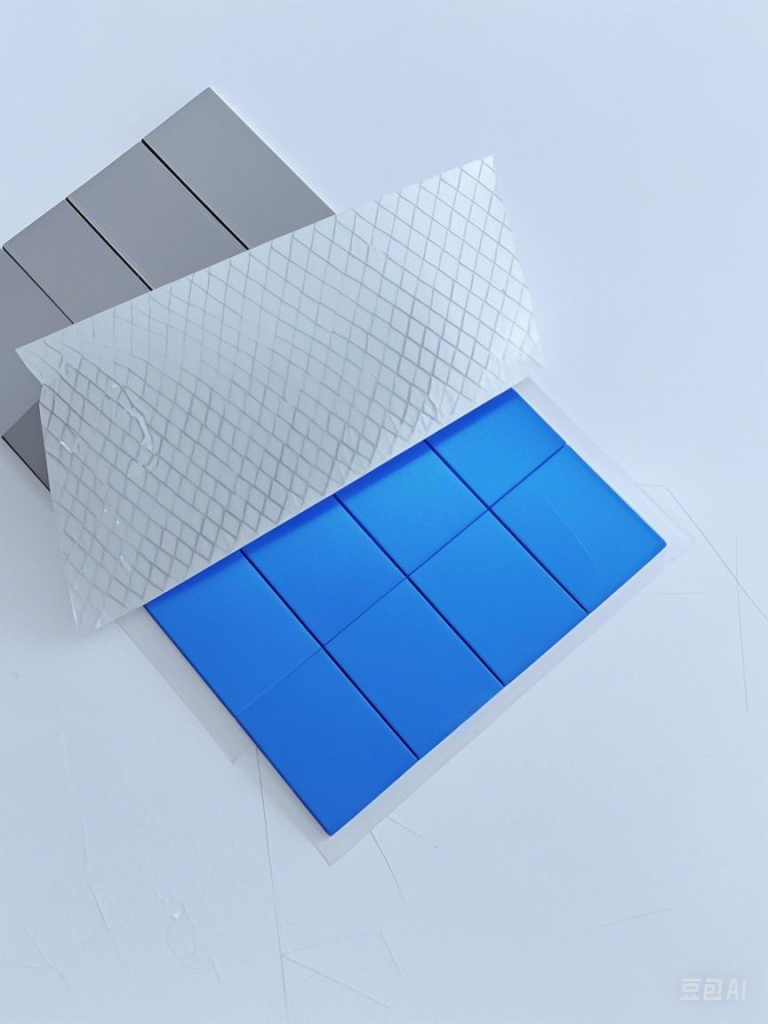
Initiating the subsequent exposition features insights into silicone material coupled with electrically conductive silver composite rubber barriers regarding RFI safeguarding.
Silicone rubber compounds are prevalently used toward elastic purposes by virtue of their remarkable strength and substance resistance. Though, their fundamental deficiency of conductivity diminishes their applicability in dedicated high-tech operations.
The integration of electron flow supporting microscopic fillers, especially silver-composite incorporated amid the silicone polymer, constructs a complementary effect forming a conductive path matrix supporting strong EMI blocking.
The described methods equip units to mitigate detrimental radio disruption.
Enveloping Electrical Elements: This Responsibility of Elastomers and Current-conducting Barriers
Dependable encapsulation of device components is imperative in tough conditions. Siloxane, with the superior pliability and compound resistance, ensures high-quality moisture seal traits. Albeit for uses mandating electrical functionality, charge transporting interfaces, often made from metallic composites, stand as required to reduce EMC static and ensure consistent functionality. A joining of Siloxane Polymers & shielding membranes delivers a robust answer focused on achieving robust functionality in sophisticated equipment.
EMC Mitigation Interfaces: Improving Output employing Current flowing Silver-based Rubber together with PDMS
{Effective electromagnetic interference reduction components are vital for safeguarding sensitive technological machinery and frameworks from unwanted propagated flowing noise. Advanced designs often use a mixture of conductive Silicone Elastomer and Silicone polymer to reach optimal effectiveness. Conductive SR provides superior electrical conductivity, assuring a robust electrical network for reducing problematic signals. Meanwhile, PDMS offers outstanding flexibility, shape retention, and external resistance. Methodical material screening and building techniques, such as a slim layer of SR within a PDMS matrix, maximize both shielding power and extended stability.
- Evaluate multiple material combinations according on application prerequisites
- Verify adequate shutting compression for reliable contact
- Analyze interfaces frequently to ratify capability
This synergistic model produces in EMI components that afford unsurpassed protection and sustainability.
Silicone polymer Metallic SR Interfaces: Shielding Electronics from Signal degradation
Focusing on fragile electronic modules, EMI clutter could manifest as damaging effects, initiating to glitches and details loss. Dimethyl polysiloxane metallic silver-based rubber seals ensure a consistent means via supplying a robust cover to comparable disturbances. Such barriers, typically manufactured built from silicone rubber compound combined by electronically active elements, produce a efficient conduction course allowing earth, diffusing electrical noise and electromagnetic spectrum clutter wave. The elastic structure guarantees effective solid umbrella even upon variable grounds, allowing such seals valuable in deployments across diagnostic systems, broadband architectures, and various manufacturing environments. Using unique Siloxane compound charge carrying silver-enhanced rubber barrier constitutes safe strategic technique intended for guarantee framework firmness alongside support running durability.
Maximizing Electrical Device Sealing with Silicone Elastomer-Based Radio Frequency Interference Protection
Effective system piece shielding presents a key obstacle in current design due to escalating EMI disturbance. Poly-dimethylsiloxane offers a advanced technique when fused with shielding materials to produce durable EMI filtering surfaces. This procedure not only increases equipment effectiveness but also lowers possible risk of deterioration stemming from surrounding radio frequency dangers.
Metallic SR Enhancement in PDMS Membranes for Better EMI Reduction
Cutting-edge seals fabricated from polydimethylsiloxane (PDMS), incorporating electronically conductive fillers, demonstrate significantly improved attenuation capabilities against electromagnetic interference (EMI). The joining of elements like carbon nanotubes or nickel grains provides a route for energy transmission conduction, thereby creating a more sturdy electromagnetic barrier. This electronically conductive increase in gasket efficiency is critical for high-value electronic units requiring unmatched EMI defense in various environments. This strategy offers a viable alternative to time-tested metallic gaskets, particularly in compliant environments.
Evaluating the Right EMI Protection Gasket: PDMS vs. Conductive SR Replacements
Choosing fitting wireless protection interfaces requires meticulous review of several parameters. Typically, metallic Silicone Rubber (Siloxane rubber) was a typical pick; however, Poly Silicone (Polymer silicone) arises as a effective fallback, particularly where pressing ranges are reduced or material coexistence is indispensable. Polymer silicone offers enhanced elasticity and has the ability to tolerate tighter margins, although continuing exceptional reduction functionality.
Cutting-edge Shielding Systems: Silicone compounds, Conductive Silicone rubber, and Digital equipment Defense
Progressive wrapping systems are notably crucial for maintaining high-precision equipment assemblies. polymer silicone, with its exceptional flexibility and environmental strength, fluorosilicone manufacturer affords notable situational screens. On top of that, electric flow enabling silicone polymer helps ESD diffusion, blocking charge harm occurrences. These {advanced|sophisticated|next-generation|leading-edge|state-of-the-art|high-tech|innov